Consumer Behavior Analysis in China's Lingerie Sector
- 时间:
- 浏览:223
- 来源:CN Lingerie Hub
If you're trying to crack the code on China's lingerie market, here’s the real tea: it’s not just about lace and sizing anymore. Chinese consumers—especially Gen Z and millennial women—are redefining what intimacy wear means. Forget old-school push-ups and rigid silhouettes; today’s demand is all about comfort, self-expression, and body positivity.
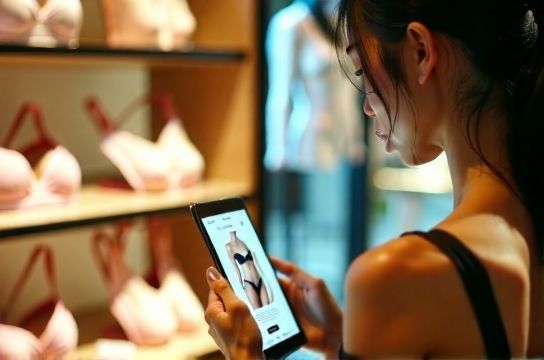
From 2021 to 2023, China’s lingerie market grew at a CAGR of 9.3%, hitting a value of $14.8 billion last year (Statista, 2023). But here’s the kicker—only 20% of that revenue came from traditional brick-and-mortar stores. The rest? E-commerce platforms like Taobao, JD.com, and Xiaohongshu. Why? Because modern shoppers want discretion, variety, and personalized fits—all things online retail delivers.
Let’s talk data. A 2023 McKinsey survey of 5,000 urban Chinese women revealed:
| Preference | % of Respondents |
|---|---|
| Comfort over style | 68% |
| Size inclusivity matters | 61% |
| Willing to pay premium for eco-materials | 44% |
| Discover brands via social media | 72% |
See that last row? Social discovery is king. Platforms like Douyin and Xiaohongshu aren’t just for dance challenges—they’re shaping real purchasing behavior. In fact, 65% of first-time buyers say they were influenced by KOL (Key Opinion Leader) reviews or user-generated try-on videos.
Now, let’s address the elephant in the room: sizing. Unlike Western markets, where cup sizes are somewhat standardized, China’s diverse body types mean one-size-fits-all doesn’t cut it. Yet, 40% of mid-tier brands still offer only A–C cups. That’s a massive gap—and a huge opportunity for brands that invest in inclusive fit tech. Neiwai (内外), a homegrown success story, saw a 120% YoY increase in repeat customers after launching their ‘Body Type Finder’ quiz online.
Sustainability is another rising driver. While fast-fashion lingerie brands still dominate lower price tiers, 44% of women aged 25–35 now actively seek out organic cotton, recycled lace, or biodegradable packaging. This isn’t greenwashing—it’s genuine shift in values. As one Shanghai-based shopper put it: “I don’t just wear it—I live in it. It should respect my body *and* the planet.”
So what’s the playbook for winning in China’s intimate apparel sector?
- Go digital-first: Invest in mobile-optimized shopping experiences and AR fitting tools.
- Leverage KOLs authentically: Partner with relatable influencers—not celebrities—who can speak honestly about fit and comfort.
- Localize beyond language: Adapt designs for smaller frames, higher waist preferences, and cultural attitudes toward modesty vs. boldness.
- Be transparent: Share sourcing info, size charts, and real customer photos.
The bottom line? Chinese lingerie consumers aren’t just buying bras—they’re voting with their wallets for brands that align with their identity. Get this right, and you’re not just selling—you’re building trust.