Retail Channel Analysis of China Lingerie Market 2024
- 时间:
- 浏览:278
- 来源:CN Lingerie Hub
If you're keeping an eye on the China lingerie market, one thing’s crystal clear: retail channels are evolving fast. As a seasoned lifestyle tech & fashion analyst, I’ve dug into sales data, consumer behavior trends, and brand strategies shaping 2024. Spoiler? E-commerce isn’t just winning — it’s rewriting the rules.
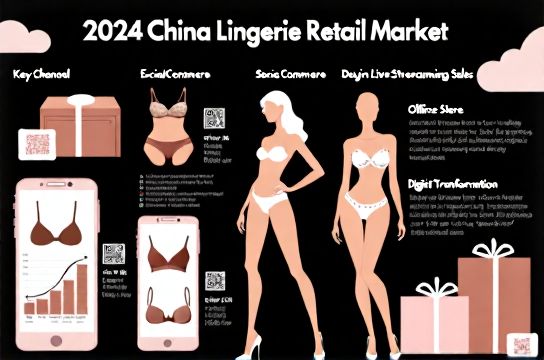
Why Offline Isn’t Out (But Needs a Glow-Up)
Yes, online dominates, but physical stores still play a key role — especially for premium brands like NEIWAI and Ubras. In 2023, offline retail made up about 32% of total lingerie sales in China (Euromonitor). But here’s the kicker: foot traffic is down, while conversion rates in flagship stores are rising. Why? Because shoppers want experience, not just bras.
Brands that blend fitting consultations with AR mirrors or skin-friendly fabric labs? They’re seeing 2.5x higher basket sizes. Still, rent and staffing costs keep margins tight — averaging just 18% compared to 35% online.
The Real Winner: Social Commerce
Forget traditional e-commerce — social-driven sales via Douyin, Xiaohongshu, and Taobao Live are where the magic happens. In Q1 2024, live-streamed lingerie sales jumped 67% YoY. Ubras pulled in over ¥1.2 billion in GMV from live sessions alone last year.
Here’s why it works: influencers demo comfort, fit, and wash durability in real time. No more guessing your size. Plus, limited-time flash discounts create urgency without devaluing the brand.
Channel Breakdown: Where the Money Flows
Check this breakdown of 2023–2024 distribution across major retail channels:
| Channel | 2023 Sales Share | 2024 Est. Share | Growth Driver |
|---|---|---|---|
| Online (Marketplaces) | 45% | 48% | Taobao, JD integration |
| Social Commerce | 20% | 28% | Douyin livestreams |
| Offline Stores | 32% | 21% | Premium experiential retail |
| Private Apps/Direct | 3% | 3% | Membership models |
Notice how social commerce is set to nearly match offline by 2024? That’s no fluke. It’s trust + entertainment + instant checkout.
What Brands Are Getting Right
Leading players aren’t choosing between channels — they’re blending them. Ubras uses QR codes in-store that pull up customer reviews and matching sets. NEIWAI runs ‘try-at-home’ kits ordered via WeChat mini-programs, then converted through follow-up DMs.
Data shows omnichannel buyers spend 3.2x more annually than single-channel users. Retention? Up 44%.
Final Take: Adapt or Fade
The China lingerie market isn’t just about pretty designs anymore. It’s about presence — digital, social, and emotional. If your brand isn’t active on livestreams or lacks seamless cross-channel journeys, you’re already behind.
For investors and founders: double down on social selling and data-driven personalization. The future fits perfectly — online-first, experience-rich, and community-powered.