Global Brands Adapt to Chinese Lingerie Market Preferences
- 时间:
- 浏览:206
- 来源:CN Lingerie Hub
In recent years, the Chinese lingerie market has transformed from a conservative, function-first industry into a dynamic, fashion-forward battlefield where global brands fight for cultural relevance. With urbanization, rising disposable incomes, and shifting gender norms, Chinese consumers—especially Gen Z and millennial women—are redefining what intimacy means through their shopping habits.
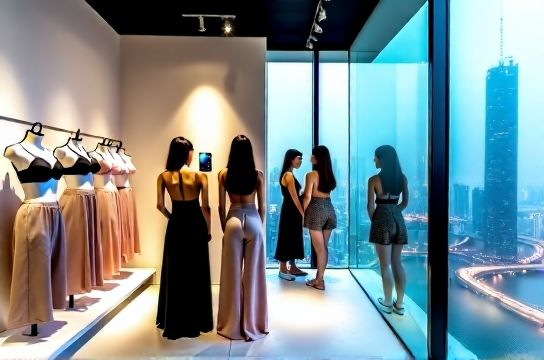
By 2024, China's lingerie market is projected to reach $18.3 billion, growing at a CAGR of 9.2% since 2020 (Statista). Yet, success here isn’t just about size or sales—it’s about sensitivity. International players like Victoria’s Secret, Triumph, and Intimissimi quickly learned: what sells in Paris or New York may flop in Shanghai.
Take sizing, for example. Western brands traditionally emphasize bold push-ups and underwire structures, catering to fuller cup sizes. But in China, the average bust size is A to B cup, with over 67% of women preferring soft, seamless, and wireless designs (Euromonitor, 2023). This sparked a wave of product localization. Victoria’s Secret launched its 'China-Exclusive' line featuring lightweight bras with delicate embroidery—a nod to traditional aesthetics.
But it’s not just fit—it’s feeling. Chinese consumers associate lingerie with self-care and personal identity, not just seduction. As one Shenzhen-based shopper put it: “I buy lingerie for me, not my boyfriend.” This mindset shift fueled demand for comfort-driven styles, pastel palettes, and athleisure-inspired sets.
Data Snapshot: Chinese Lingerie Consumer Preferences (2023)
| Preference | Percentage of Respondents | Top Brands Meeting Demand |
|---|---|---|
| Wireless & Seamless | 67% | NEIWAI (内外), Ubras, Miss Sixty |
| Pastel & Neutral Colors | 58% | Intimissimi, Aimer (爱慕) |
| Eco-Friendly Materials | 49% | Ubras, Sandriver |
| Modest Coverage | 61% | Aimer, NEIWAI |
Digital fluency is another game-changer. Over 80% of lingerie purchases start on social platforms like Xiaohongshu (Little Red Book) and Douyin (TikTok). KOLs (Key Opinion Leaders) unbox bralettes during livestreams, discussing fabric breathability as passionately as they would skincare ingredients. Brands that master this blend of education and entertainment win trust—and conversions.
Localization also extends to branding. The term “neiyi” (inner garment) is often preferred over “lingerie,” which still carries sensual connotations for some. That’s why homegrown champion NEIWAI built its identity around “wearing comfort, living authentically”—a message that resonates far deeper than cleavage.
So, what’s the takeaway? Global brands can no longer export Western fantasies and expect loyalty. They must listen, adapt, and co-create. Whether it’s reformulating fabrics for humid summers or embracing minimalism over glamour, winning in China means honoring local values—one stitch at a time.