Chinese Lingerie Market Benefits from Rising Disposable Incomes
- 时间:
- 浏览:500
- 来源:CN Lingerie Hub
China's lingerie market is heating up — and it’s not just about lace and silk. With rising disposable incomes, evolving consumer tastes, and a cultural shift toward body positivity, the industry is undergoing a bold transformation. Forget outdated notions of modesty; Chinese women are now embracing lingerie as both fashion and self-expression.
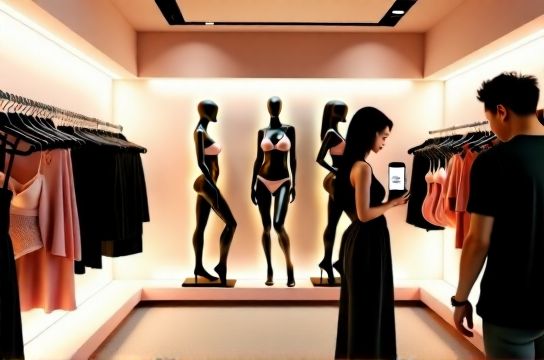
In 2023, China's lingerie market hit a staggering CNY 150 billion (about USD 21 billion), growing at a compound annual growth rate (CAGR) of 9.3% over the past five years. This surge isn’t accidental. As urbanization accelerates and middle-class households expand, women have more spending power than ever — and they’re investing in personal comfort and confidence.
The New Face of Lingerie: From Function to Fashion
Gone are the days when bras were purely functional. Today’s Chinese consumers demand style, comfort, and inclusivity. Brands like NEIWAI (内外) and Ubras have skyrocketed by championing minimalist designs, eco-friendly materials, and size-inclusive ranges. Ubras, for example, reported over CNY 2 billion in sales during the 2023 Singles’ Day shopping festival alone.
Social media has played a pivotal role. Platforms like Xiaohongshu (Little Red Book) and Douyin (TikTok) are flooded with influencers promoting body-positivity campaigns and unfiltered try-on videos. Hashtags like #MyBodyMyRules and #ComfortOverTrend have millions of views, reflecting a cultural pivot.
Who’s Buying? Meet the Modern Chinese Lingerie Consumer
It’s not just young urban professionals driving this boom. The customer base is diversifying:
- Gen Z (born 1995–2009): Tech-savvy, values authenticity, willing to pay premium prices for sustainable brands.
- Millennials: Focused on quality and fit, heavily influenced by online reviews.
- Older demographics: Increasingly open to stylish options, especially in tier-1 cities.
Market Breakdown: Key Players & Trends
Here’s a snapshot of the current landscape:
| Brand | Origin | h>Key Selling Point | Estimated 2023 Revenue (CNY) |
|---|---|---|---|
| Ubras | China | Wireless comfort, gender-neutral marketing | 2.5 billion |
| NEIWAI | China | Eco-materials, body positivity | 1.8 billion |
| Aimer | China | Luxury fit, bridal segment | 1.2 billion |
| Victoria's Secret | USA | Global brand appeal | 800 million |
Interestingly, local brands now dominate, capturing over 65% of the market share. Their success lies in understanding local preferences — such as lighter padding and breathable fabrics suited to China’s humid climate.
Challenges & Opportunities Ahead
Despite growth, challenges remain. Supply chain sustainability, counterfeit products, and inconsistent sizing standards plague the industry. Yet, opportunities abound — especially in lower-tier cities where lingerie penetration is still low.
Experts predict the market could reach CNY 200 billion by 2027, fueled by digital innovation and personalized shopping experiences via AI fitting tools and AR try-ons.
In short, China’s lingerie revolution is more than skin deep. It’s a story of empowerment, economic growth, and cultural change — one bra at a time.