How Social Media Influences Chinese Lingerie Purchases
- 时间:
- 浏览:255
- 来源:CN Lingerie Hub
In today’s digital-first China, your Instagram feed might not just inspire your next vacation—it could be shaping what you wear under your clothes. Yep, we’re talking about lingerie. Once a taboo topic, intimate apparel in China has gone from hushed whispers to viral trends, all thanks to the explosive power of social media.
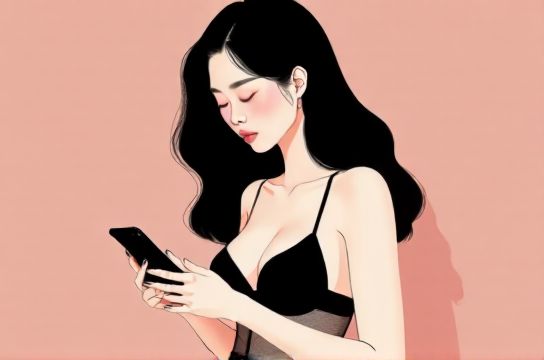
Platforms like Xiaohongshu (Little Red Book), Douyin (China’s TikTok), and Weibo are no longer just for makeup hauls or food reviews—they’ve become virtual fitting rooms. Influencers—especially female KOLs (Key Opinion Leaders)—are redefining beauty standards and normalizing conversations around body positivity, comfort, and self-expression through lingerie.
Take Mia, a 28-year-old office worker in Shanghai. She told us she used to buy basic white cotton bras from supermarkets. Now? She follows over 20 lingerie influencers on Xiaohongshu and recently dropped ¥399 on a lace bra set—her first ‘self-purchase’ not influenced by a partner. “It’s not just about looks,” she says. “It’s about how it makes me feel.”
Data backs this up. A 2023 report by iiMedia Research shows that 68% of Chinese women aged 18–35 discovered their last lingerie purchase via social media. Even more telling: 45% said influencer reviews were more trustworthy than brand ads.
The Rise of the Lingerie Influencer
These aren’t your Victoria’s Secret models. The new face of Chinese lingerie marketing is real—curvy, petite, tall, short, with stretch marks and scars. Authenticity sells. One top-tier KOL on Xiaohongshu, @LunaUndressed, grew her following from 10K to over 400K in two years by posting honest try-on videos and body-positive messages.
Brands are taking note. Nei Yi Tang, a homegrown Chinese brand, saw a 300% sales spike after collaborating with mid-tier influencers on Douyin. Their secret? Real women, real bodies, zero airbrushing.
By the Numbers: Social Media vs. Traditional Retail
| Factor | Social Media Influence | Traditional Retail |
|---|---|---|
| Awareness Source | 68% | 22% |
| Purchase Trigger | Influencer Review | In-Store Display |
| Customer Trust Level | High (4.3/5) | Moderate (3.1/5) |
| Avg. Decision Time | 1.2 days | 5.7 days |
But it’s not just trust—it’s speed. With one click, users go from watching a bra unboxing video to checking out on Taobao. This seamless journey, known as ‘content-to-conversion,’ is why 73% of lingerie brands now allocate over half their marketing budget to social platforms.
Challenges & The Road Ahead
Of course, it’s not all smooth silk. Misinformation—like claims that certain bras can lift sagging breasts—still spreads. And while body positivity is growing, some influencers still promote unrealistic proportions.
Still, the trend is clear: social media has democratized lingerie shopping in China. It’s no longer about pleasing the male gaze—it’s about self-love, comfort, and personal style. As one viral Xiaohongshu post put it: “My bra isn’t for him. It’s for me.”
So next time you scroll past a lingerie try-on video, remember—it’s more than fashion. It’s a cultural shift, stitched together one post at a time.