Private Label Growth in China's Lingerie Retail Space
- 时间:
- 浏览:158
- 来源:CN Lingerie Hub
In recent years, private label brands have been quietly reshaping China’s lingerie retail landscape. No longer just a side hustle for e-commerce platforms, private labels are now at the forefront of innovation, affordability, and consumer trust—especially in intimate apparel.
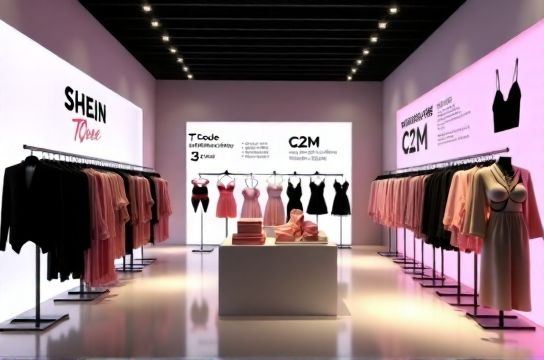
Why lingerie? It’s personal, it’s emotional, and it’s high-margin. According to Statista, China’s lingerie market hit $28.5 billion in 2023, with an annual growth rate of 9.3%. But here’s the twist: domestic consumers are turning away from flashy international names like Victoria’s Secret and embracing homegrown, platform-backed private labels that speak their language—literally and culturally.
Taking center stage are players like SHEIN’s self-branded lingerie, Pinduoduo’s C2M (Customer-to-Manufacturer) intimate lines, and Tmall’s T-Code series. These aren’t just rebranded OEM products—they’re data-driven designs born from real-time consumer behavior, fit preferences, and regional feedback.
Let’s break down why this shift is happening and what it means for retailers, investors, and everyday shoppers.
The Data Behind the Hype
Chinese consumers crave value and relevance. A 2023 McKinsey report found that 67% of urban women aged 18–35 prefer buying lingerie from online private labels due to better price-to-quality ratios and inclusive sizing.
Below is a snapshot of key performance indicators across major platforms:
| Platform | Brand Name | Price Range (RMB) | Avg. Monthly Units Sold | Customer Rating (5.0 scale) |
|---|---|---|---|---|
| SHEIN | SHEIN Lingerie | 15–69 | 2.3 million | 4.7 |
| Pinduoduo | HoneyCoco | 9–49 | 1.8 million | 4.5 |
| Tmall | T-Code Essential | 89–199 | 420,000 | 4.8 |
| JD.com | JD Intimates | 59–129 | 310,000 | 4.6 |
Notice the pattern? Ultra-fast fashion meets hyper-localization. SHEIN dominates volume with micro-trends updated weekly. Pinduoduo wins on price with factory-direct models. Tmall targets quality-conscious middle-class buyers. Each leverages its ecosystem to reduce risk and boost conversion.
Cultural Fit Over Global Glamour
International brands often miss the mark on fit and modesty preferences. Chinese body types differ, and so do aesthetic values. Private labels use AI-powered fit algorithms and localized design teams to deliver bras with softer padding, wider bands, and East Asian-centric cup shapes.
Take SHEIN’s ‘Cloud Soft’ bra line—it sold over 800,000 units in Q1 2024 alone. Why? Because it addressed common complaints: wire discomfort and underarm bulge. That’s not luck—that’s listening.
The Road Ahead
With rising demand for sustainable materials and body positivity, expect private labels to double down on eco-friendly fabrics and size inclusivity. Already, T-Code offers sizes up to 90G, while HoneyCoco uses recycled lace in 40% of its collections.
The bottom line? In China’s lingerie game, it’s no longer about who has the biggest runway show—it’s about who knows the customer best. And right now, private labels are winning that race by a bra strap.