China Lingerie Market Faces New Regulatory Changes
- 时间:
- 浏览:196
- 来源:CN Lingerie Hub
Hold onto your bras, folks—China's lingerie market is going through a major shake-up. Just when you thought silk and lace were all about comfort and confidence, the government stepped in with new regulations that are changing the game entirely.
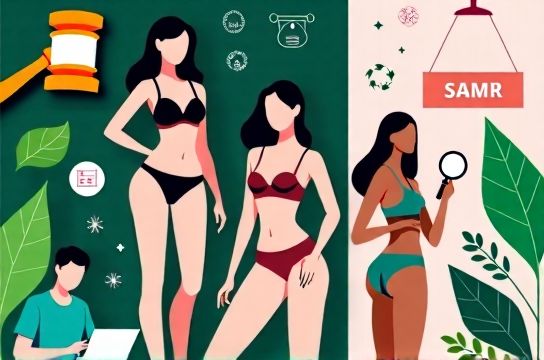
As of early 2024, China’s State Administration for Market Regulation (SAMR) rolled out stricter labeling rules, tighter safety standards, and enhanced advertising oversight for intimate apparel. Why? Because what we wear next to our skin matters—more than ever.
The new rules require all lingerie brands, domestic and foreign alike, to disclose fabric composition down to the fiber level, ensure dyes meet eco-toxicity thresholds, and ban misleading claims like 'medical-grade support' or 'weight-loss shaping.' Violators face fines up to 500,000 RMB (~$70,000 USD) and product recalls.
This isn’t just bureaucracy—it’s a response to rising consumer awareness. A 2023 survey by iiMedia Research showed that 68% of Chinese women aged 18–35 now check garment labels before buying lingerie, up from 43% in 2020. Health concerns over chemical residues in fabrics have driven this shift.
Market Impact at a Glance
To understand how deep this runs, let’s look at the numbers:
| Year | Market Size (Billion RMB) | Regulatory Milestone | Consumer Label-Checking Rate |
|---|---|---|---|
| 2020 | 142 | Voluntary green labeling introduced | 43% |
| 2022 | 158 | Draft safety standards released | 56% |
| 2024 | 175 | Mandatory compliance enforced | 68% |
Despite the red tape, the market keeps growing—projected to hit 210 billion RMB by 2026, according to Statista. But the winners? Not the flashy fast-fashion players. It’s the brands investing in transparency and sustainable materials.
Take Neiwen, a homegrown brand that saw a 34% sales bump post-regulation by switching to OEKO-TEX® certified fabrics and launching QR codes on tags linking to full material traceability. Meanwhile, some international names quietly pulled out of second-tier cities, unable to meet localized compliance demands.
What This Means for You
If you're a brand: adapt or exit. Compliance isn’t optional. Audit your supply chain, rethink packaging, and train marketing teams to avoid buzzwords that could trigger SAMR scrutiny.
If you're a consumer: welcome to empowerment. These rules mean cleaner fabrics, honest sizing, and fewer miracle claims. Look for the new GB/T 39508-2024 certification mark—it’s your guarantee of safety and authenticity.
The bottom line? China’s lingerie evolution isn’t just about style anymore—it’s about trust. And in a post-pandemic world where self-care goes deeper than aesthetics, that might be exactly what the industry needed.