Customization Trends in China's Lingerie Market Now
- 时间:
- 浏览:127
- 来源:CN Lingerie Hub
In recent years, China's lingerie market has undergone a quiet revolution — one stitched not just with silk and lace, but with personalization. No longer just about size or color, customization today speaks to identity, comfort, and self-expression. As Chinese consumers grow more confident and digitally savvy, the demand for bespoke lingerie is soaring, reshaping an industry once dominated by mass production.
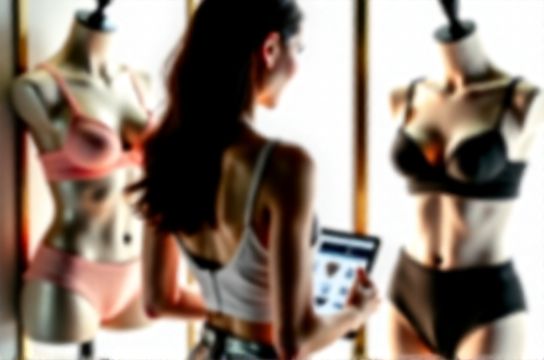
According to Statista, China’s intimate apparel market reached over $15 billion in 2023, with customized products accounting for nearly 22% of online sales — up from just 9% in 2019. What’s driving this shift? It’s a mix of body positivity, tech innovation, and homegrown brands unafraid to challenge Western norms.
Take Neiwai (内外), one of China’s leading lingerie labels. Their 2023 campaign “I Wear What I Am” emphasized fit over fashion, offering AI-powered bra fitting tools and modular designs that let customers mix cups, bands, and straps. The result? A 68% increase in repeat purchases among users who engaged with their customization platform.
Why Customization Wins in China
Western brands often assume one-size-fits-all, but Chinese body types vary widely across regions. Standard S/M/L labels don’t cut it anymore. Today’s shoppers want precision — and they’re willing to pay for it. A 2024 survey by McKinsey found that 57% of urban Chinese women aged 20–35 would spend 30% more on lingerie tailored to their measurements.
Social media amplifies this trend. On Xiaohongshu (China’s answer to Instagram + Pinterest), hashtags like #MyPerfectFit have racked up over 80 million views. Real women share unfiltered fitting journeys, praising brands that listen. This peer-driven trust is gold for niche players embracing made-to-order models.
Data at a Glance: Custom Lingerie Growth (2020–2024)
| Year | Market Size (USD Billion) | Custom Segment Share | Online Custom Orders (Million) |
|---|---|---|---|
| 2020 | 12.1 | 9% | 4.2 |
| 2021 | 12.8 | 13% | 6.1 |
| 2022 | 13.6 | 17% | 8.7 |
| 2023 | 15.0 | 22% | 12.3 |
| 2024 (est.) | 16.5 | 28% | 16.0 |
The numbers don’t lie: customization isn’t a niche — it’s the future. And tech is making it seamless. Augmented reality (AR) fitting rooms, 3D body scanning via smartphone apps, and AI chatbots that guide sizing decisions are now standard features on platforms like JD.com and Tmall.
But beyond convenience, there’s a cultural shift. Younger Chinese consumers reject the ‘sexy at all costs’ narrative pushed by Victoria’s Secret. Instead, they value comfort, sustainability, and authenticity. Brands like Ubras and PEP&CO respond with minimalist designs, eco-friendly fabrics, and zero-wire bras — all customizable down to the lining texture.
The Road Ahead
As supply chains get smarter, expect faster turnaround times and lower prices for custom pieces. We might even see AI-generated designs based on your mood or biometrics. For global brands eyeing China, the message is clear: offer real personalization, or risk being seen as out of touch.
In a market where individuality is the new luxury, the perfect fit isn’t just measured in inches — it’s felt in confidence.