Key Drivers Behind China's Lingerie Market Expansion
- 时间:
- 浏览:125
- 来源:CN Lingerie Hub
If you thought the lingerie market in China was all about modesty and tradition, think again. Over the past decade, China’s intimate apparel industry has undergone a full-on metamorphosis—fueled by shifting social norms, rising female empowerment, and digital disruption. So what’s really driving this billion-dollar bloom? Let’s peel back the layers.
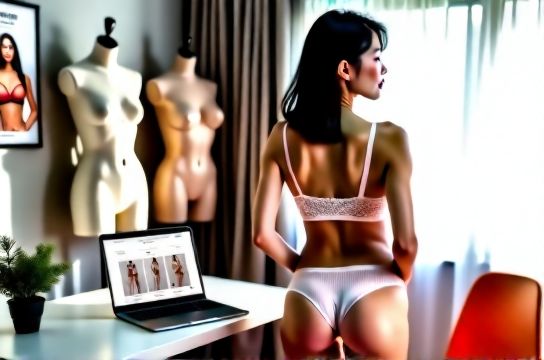
The Rise of Self-Expression & Body Positivity
Gone are the days when Chinese women bought bras solely for function. Today, lingerie is a form of self-expression. With growing exposure to global fashion trends via social media, young Chinese consumers are embracing body positivity and individuality. Brands like NEIWAI (内外) and Ubras have capitalized on this shift, promoting slogans like “Real Me” and “Wear What Feels Right.”
This cultural pivot isn’t just anecdotal—it’s backed by data. A 2023 McKinsey report found that over 68% of urban Chinese women aged 18–35 now prioritize comfort and personal style over traditional aesthetics when buying lingerie.
E-Commerce: The Secret Weapon
You can’t talk about China’s lingerie boom without mentioning e-commerce. Platforms like Tmall, JD.com, and Douyin (China’s TikTok) have turned intimate apparel into a digital-first category. Live-streaming sales, in particular, have exploded. In 2023, Ubras raked in over CNY 1.2 billion (USD 170 million) during Singles’ Day—largely through influencer-led live streams.
Why does it work? Privacy. Buying bras online removes the embarrassment factor, especially in smaller cities where in-store options are limited or staff may be judgmental. Plus, tech enhancements like AI fit guides and virtual try-ons are making online shopping smarter than ever.
Market Growth at a Glance
Check out this snapshot of China’s lingerie market evolution:
| Year | Market Size (CNY Billion) | Online Share (%) | Key Growth Driver |
|---|---|---|---|
| 2019 | 145 | 38% | Rising disposable income |
| 2021 | 198 | 52% | E-commerce expansion |
| 2023 | 260 | 67% | Social commerce & branding |
| 2025 (Projected) | 350 | 75% | Personalization & innovation |
Data Source: Euromonitor & Alibaba Group Reports
The Role of Homegrown Brands
Western giants like Victoria’s Secret once dominated headlines, but they’ve struggled to connect culturally. Their flashy, supermodel-driven image clashed with the new wave of Chinese feminism. In contrast, local brands speak the language of modern womanhood—literally and figuratively.
NEIWAI, founded in 2012, now operates over 180 stores and has expanded into Southeast Asia. Their secret? Minimalist design, inclusive sizing, and campaigns featuring real women—not airbrushed models.
What’s Next?
Innovation is accelerating. We’re seeing smart bras with health-tracking sensors, eco-friendly fabrics, and even AR-powered fitting rooms. As Gen Z becomes the primary consumer, expect bolder designs, gender-neutral lines, and deeper integration with wellness culture.
In short, China’s lingerie market isn’t just expanding—it’s redefining what intimacy means in the 21st century.