Cultural Influences on Chinese Lingerie Design Preferences
- 时间:
- 浏览:158
- 来源:CN Lingerie Hub
When it comes to lingerie, what turns heads in Paris might not raise an eyebrow in Beijing. The world of intimate apparel is far more than lace and silk—it's a cultural mirror. In China, lingerie design isn’t just about aesthetics or comfort; it’s deeply rooted in tradition, symbolism, and evolving social values. Let’s dive into how culture shapes Chinese preferences in lingerie—and why global brands are paying close attention.
The Modesty Factor: Less Skin, More Symbolism
Unlike Western markets where bold cuts and sheer fabrics dominate, Chinese consumers often lean toward modesty. A 2023 survey by Statista found that over 68% of Chinese women prefer full-coverage bras with soft padding—valuing comfort and subtlety over overt sex appeal.
This preference ties back to Confucian ideals emphasizing humility and restraint. Even as younger generations embrace body positivity, there’s still a cultural hesitation around 'too much' exposure. As one Shanghai-based fashion analyst put it: “In China, allure is whispered, not shouted.”
Lucky Colors & Auspicious Symbols
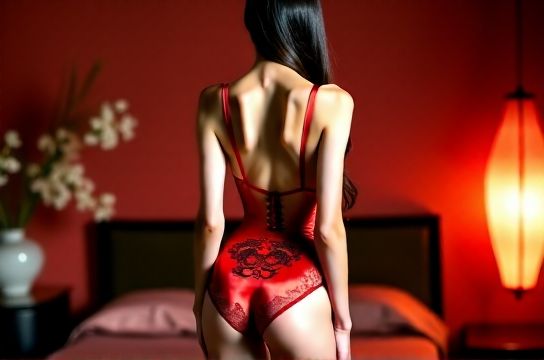
Red isn’t just a color in China—it’s a vibe. Associated with luck, love, and prosperity, red dominates festive lingerie collections, especially during Chinese New Year and weddings. Brands like Maniform and Modecollect release limited-edition red sets featuring gold embroidery, dragons, or peonies—symbols of wealth and beauty.
Here’s a quick look at popular colors and their cultural meanings:
| Color | Cultural Meaning | Popularity (Among Urban Women, 18–35) |
|---|---|---|
| Red | Good fortune, passion | 74% |
| Pink | Youth, romance | 62% |
| Black | Elegance, modernity | 48% |
| White | Purity (less common for lingerie) | 22% |
Material Matters: Silk, Sustainability, and Skin Sensitivity
Silk has long been a prized fabric in Chinese culture—not just for qipaos but also for sleepwear and lingerie. Its smooth texture and natural cooling properties make it ideal for sensitive skin and humid climates. According to a 2022 report by Euromonitor, sales of silk-blend undergarments grew by 12% year-on-year in Tier-1 cities.
But sustainability is rising too. Over 55% of millennials now consider eco-friendliness when buying lingerie. Bamboo fiber and recycled lace are gaining traction, blending tradition with green innovation.
Tech Meets Tradition: Smart Lingerie & E-Commerce Trends
China’s digital boom has reshaped how lingerie is marketed and worn. Live-streaming sales on platforms like Taobao and Douyin have become a $3 billion annual market for intimate wear. Influencers demonstrate fit, fabric, and function—all while weaving in cultural narratives like ‘inner harmony’ or ‘feminine energy.’
And yes, there’s even smart lingerie. Bras with posture sensors, temperature control, and Qi-inspired designs (yes, really) are testing the waters. While still niche, they reflect a broader trend: blending ancient philosophies with futuristic tech.
Final Thoughts: Bridging East & West
Global brands like Victoria’s Secret and Intimissimi have had to adapt—replacing runway glitz with wellness-focused campaigns and inclusive sizing. The message? Success in China isn’t about exporting Western ideals, but embracing local sensibilities.
From red lace to silk-lined support, Chinese lingerie design tells a story of balance—between tradition and modernity, modesty and confidence, culture and comfort. And for anyone in the industry, that story is impossible to ignore.