Mobile Shopping Dominates Chinese Lingerie Purchases
- 时间:
- 浏览:139
- 来源:CN Lingerie Hub
If you're still shopping for lingerie in physical stores across China, you're officially behind the times. The truth? Mobile shopping has completely revolutionized how Chinese consumers buy their intimate apparel — and it's not slowing down anytime soon.
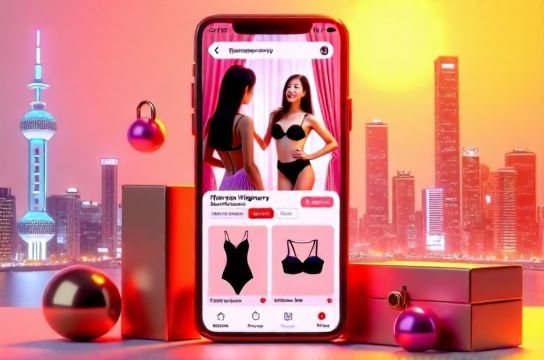
According to a 2023 report by iiMedia Research, over 78% of lingerie purchases in China are now made via mobile platforms like Taobao, JD.com, and Pinduoduo. That’s up from just 52% back in 2019. With seamless payment systems, AI-powered size recommendations, and livestream shopping events that go viral overnight, it’s no surprise that smartphones have become the new fitting rooms.
But why lingerie? And why mobile?
For one, privacy matters. Many Chinese shoppers — especially younger generations — feel more comfortable browsing sensitive categories online rather than in person. Add to that the rise of body positivity campaigns and inclusive sizing promoted by domestic brands like NEIWAI (Undercover) and Ubras, and you’ve got a cultural shift fueled by digital convenience.
Livestream commerce is another game-changer. On platforms like Douyin (China’s TikTok), influencers host late-night bra-fitting sessions with real-time Q&As. One Ubras livestream in 2022 generated over ¥150 million ($21M USD) in sales in just three hours. Yes, you read that right.
Mobile vs. In-Store: The Great Lingerie Divide
Let’s break it down with some hard numbers:
| Metric | Mobile Shopping | In-Store Shopping |
|---|---|---|
| Market Share (2023) | 78% | 22% |
| Average Order Value | ¥168 | ¥215 |
| Return Rate | 35% | 12% |
| Customer Age (Avg.) | 28 | 36 |
| Conversion Rate | 4.6% | 2.1% |
While in-store shoppers spend more per visit, mobile buyers are younger, more frequent, and heavily influenced by social content. Algorithms on Taobao even suggest matching sets based on your past clicks — making impulse buys dangerously easy.
Brands are responding fast. Ubras dropped all traditional ads in 2021 and now invests 90% of its marketing budget into KOLs (Key Opinion Leaders) and short-video campaigns. The result? A 300% revenue jump in three years.
Even international players like Victoria’s Secret are adapting. Their Shanghai flagship store now features QR codes at every display, pushing customers to scan and shop online for better deals — a clear sign that the future is mobile-first, even for legacy brands.
So what’s next? Expect AI virtual try-ons, enhanced AR fitting rooms, and deeper integration with health apps (imagine your smart bra syncing with Apple Health). The line between e-commerce and personal tech is blurring — and China’s leading the charge.
In short: if you’re in the lingerie game, your battleground isn’t malls — it’s mobile screens.