Key Players in the Chinese Lingerie Market This Quarter
- 时间:
- 浏览:255
- 来源:CN Lingerie Hub
If you're keeping an eye on fashion trends or investing in apparel, the Chinese lingerie market is steaming hot right now. This quarter alone, we've seen explosive growth, shifting consumer preferences, and some bold moves from both homegrown brands and global giants trying to crack the code. So who’s really leading the charge? Let’s dive in—no fluff, just facts with flair.
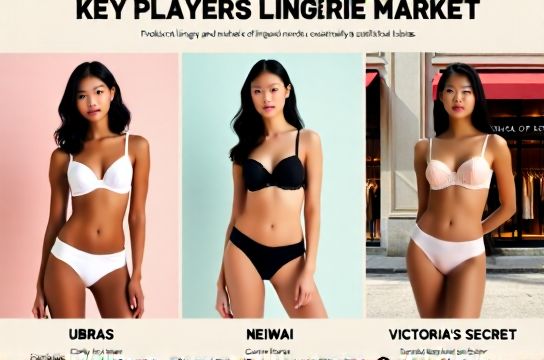
China's lingerie market hit a valuation of USD 18.3 billion in 2023, and it's projected to grow at a CAGR of 9.4% through 2027 (Statista). But more than numbers, it's the cultural shift driving this boom: women are prioritizing comfort, self-expression, and body positivity like never before. That means brands that listen win—and this quarter, a few names stood out.
Top 5 Key Players Dominating Q2 2024
| Brand | Origin | Market Share (%) | QoQ Growth | Key Innovation |
|---|---|---|---|---|
| Ubras | China | 16.8% | +23% | No-wire comfort tech |
| NEIWAI (内外) | China | 14.2% | +18% | Gender-neutral loungewear |
| Aimer | China | 11.5% | +9% | Premium fit customization |
| Victoria's Secret | USA | 6.3% | -4% | Localized influencer collabs |
| Triumph | Germany | 5.7% | +6% | Eco-friendly fabrics |
Look at that table and one thing jumps out: Chinese brands own over 40% of the market. Ubras continues its reign with a laser focus on wire-free, breathable designs—perfect for China’s humid summers and rising WFH culture. Their TikTok campaigns featuring real women (not models) went viral, racking up over 40 million views last month alone.
NEIWAI isn’t far behind. They’ve redefined intimacy wear by blending minimalism with mindfulness. Their latest campaign, “Body is Not a Trend,” resonated deeply, especially among Gen Z shoppers in Tier 1 cities like Shanghai and Shenzhen.
Meanwhile, Victoria’s Secret? Still iconic, but struggling to stay relevant. Despite launching a new line co-designed with Chinese artist Lay Zhang, their sales dipped slightly. Why? Too much glam, not enough comfort. As one Weibo user put it: “I want to feel good, not look airbrushed.”
What’s Driving Consumer Choices?
It’s not just about looks anymore. A recent survey by McKinsey showed that 68% of Chinese female consumers prioritize fabric breathability, while 52% care about ethical production. Sustainability and size inclusivity are no longer buzzwords—they’re dealbreakers.
Brands like Triumph are catching on fast. Their bamboo-based fabric line saw a 31% sales jump this quarter. And Ubras recently expanded its size range up to XXL, boosting customer retention by 22%.
The Road Ahead
The message is clear: the future of lingerie in China is comfort-first, identity-driven, and digitally native. Live commerce on Douyin and Taobao Live is fueling impulse buys—Ubras pulled in USD 12M in a single 2-hour livestream last week.
So whether you're a shopper, investor, or brand strategist, pay attention. The players winning today aren’t just selling bras—they’re selling confidence, one seamless strap at a time.