Premiumization Trend Elevates Chinese Lingerie Standards
- 时间:
- 浏览:190
- 来源:CN Lingerie Hub
In recent years, the Chinese lingerie market has undergone a quiet revolution—one stitched not with lace and silk, but with shifting consumer values and a rising appetite for quality. No longer just about function or affordability, lingerie in China is being redefined by premiumization: a trend where shoppers trade mass-market basics for high-end craftsmanship, comfort-driven design, and brand storytelling.
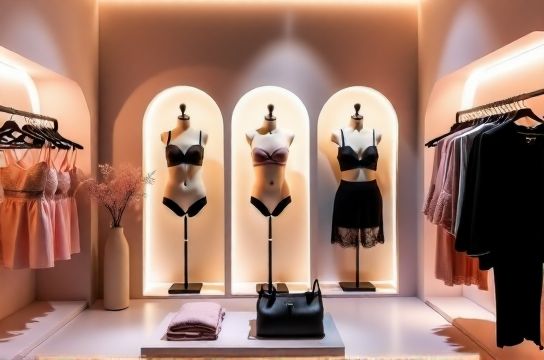
Gone are the days when gifting cheap, ill-fitting bras was the norm. Today’s Chinese consumers—especially urban millennials and Gen Z—are treating lingerie as an extension of self-care. According to Euromonitor International, the premium lingerie segment in China grew at a CAGR of 11.3% from 2019 to 2023, outpacing the overall apparel market by nearly double.
So what’s driving this shift? First, income growth. As disposable incomes rise, especially in Tier 1 and 2 cities, consumers are willing to spend more on intimate apparel. The average price point for a bra in China has climbed from ¥89 in 2018 to ¥156 in 2023—a 75% increase. Brands like NEIWAI (内外), Ubras, and Miss Candy Eye are leading the charge, blending minimalist aesthetics with body-positive messaging.
Take NEIWAI, for example. Since its launch in 2012, it has positioned itself as a lifestyle brand, not just a lingerie label. In 2023, it reported over ¥2 billion in annual revenue, with repeat customer rates exceeding 40%. Its success lies in emotional branding—campaigns that celebrate real bodies, diverse skin tones, and mental wellness.
But premiumization isn’t just about marketing. It’s rooted in product innovation. Consumers now demand seamless fabrics, breathable materials, and inclusive sizing. A 2023 survey by CBNData found that 68% of Chinese women prioritize comfort over style, while 54% are willing to pay more for eco-friendly materials like TENCEL™ or organic cotton.
To illustrate the market evolution, here’s a snapshot of key players and their positioning:
| Brand | Origin | h>Price Range (RMB)Key Differentiator | Target Audience | |
|---|---|---|---|---|
| NEIWAI (内外) | Shanghai | 150–600 | Minimalist design, body positivity | Urban professionals, 25–35 |
| Ubras | Shenzhen | 99–399 | No-wire innovation, e-commerce focus | Young digital natives, 18–30 |
| Miss Candy Eye | Hangzhou | 200–800 | Feminine luxury, handcrafted details | High-income women, 30–45 |
| Aimer (爱慕) | Beijing | 300–1,200 | Heritage brand, premium materials | Mature, affluent consumers |
The data speaks volumes: Chinese consumers aren’t just buying bras—they’re investing in identity, comfort, and values. And brands that align with this mindset are winning big.
Looking ahead, the premiumization wave shows no signs of slowing. With increasing awareness around sustainability and body diversity, the next frontier may be ethical luxury—where transparency meets indulgence. For global brands eyeing China, the message is clear: quality, authenticity, and emotional resonance aren’t optional. They’re the new essentials.