E-commerce Drives Innovation in Chinese Lingerie Sales
- 时间:
- 浏览:143
- 来源:CN Lingerie Hub
In recent years, the Chinese lingerie market has undergone a quiet revolution—one powered not by runway shows or luxury boutiques, but by e-commerce platforms like Taobao, JD.com, and emerging livestreaming giants. What was once a conservative, function-first industry is now a hotbed of innovation, personalization, and digital engagement. Let’s dive into how online retail is reshaping the way Chinese women shop for intimate apparel.
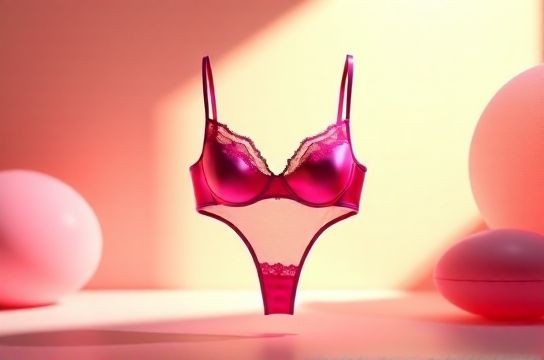
The Digital Transformation of Intimate Fashion
Gone are the days when buying lingerie meant awkward fitting rooms and limited size options. With over 800 million internet users in China, e-commerce has become the go-to channel for discreet, convenient, and trend-forward shopping. According to iiMedia Research, China's online lingerie market hit ¥145 billion ($20 billion) in sales in 2023, growing at a compound annual rate of 12.3% since 2020.
Brands like NEIWAI (Inside Out) and Ubras have capitalized on this shift, using social media storytelling and body-positive messaging to build loyal followings. These aren’t your grandma’s bra brands—they’re lifestyle movements wrapped in soft modal fabric.
Rise of Livestreaming & Social Commerce
No discussion of Chinese e-commerce is complete without mentioning livestreaming. On platforms like Douyin (TikTok’s Chinese cousin), influencers demo bras in real time, answer sizing questions, and offer flash discounts. A single popular stream can generate millions in sales within hours.
Take Ubras’ 2023 Singles’ Day campaign: they pulled in ¥300 million ($41M) in under 12 hours through livestreams alone. That’s not just impressive—it’s redefining how intimate products are marketed in a culture where openness about bodies is still evolving.
Data-Driven Personalization
E-commerce isn’t just about selling; it’s about understanding. Advanced analytics allow brands to track preferences down to cup size trends by region. For example, women in coastal cities like Shanghai and Guangzhou lean toward minimalist, wire-free styles, while inland consumers still favor more structured support.
| Region | Top Style | Avg. Price Range (RMB) | Preferred Color |
|---|---|---|---|
| Shanghai | Wire-Free Bra | 150–300 | Nude, Black |
| Chengdu | Push-Up Bra | 100–200 | Red, Pink |
| Beijing | Sports Bra | 200–350 | Gray, Navy |
| Guangzhou | Lace Bralette | 120–250 | White, Beige |
This level of insight fuels inventory planning, targeted ads, and even product development—like NEIWAI’s expanded size range after data showed rising demand for larger cups.
Breaking Taboos, One Click at a Time
Perhaps the most profound impact of e-commerce? Normalizing conversations around women’s comfort and self-expression. Anonymous browsing lowers psychological barriers, while user reviews and community forums create safe spaces for sharing fit tips and body positivity.
Brands now use WeChat mini-programs to offer virtual fitting assistants, reducing return rates by up to 30%. It’s not just convenience—it’s empowerment.
The Road Ahead
As AI and AR technologies mature, we’ll see virtual try-ons become standard, and personalized recommendations get even smarter. Sustainability is also gaining traction, with brands introducing recyclable packaging and organic fabrics to appeal to eco-conscious shoppers.
The bottom line? E-commerce hasn’t just changed how lingerie is sold in China—it’s transformed how women relate to their bodies and personal style. From algorithm-driven fits to livestream confidence boosts, the future of intimate apparel is digital, inclusive, and undeniably chic.