How Consumer Behavior Is Changing China's Lingerie Scene
- 时间:
- 浏览:150
- 来源:CN Lingerie Hub
China’s lingerie market isn’t just growing—it’s transforming. Forget the days when underwear shopping meant basic cotton bras from state-owned department stores. Today, Chinese consumers, especially Gen Z and young urban women, are rewriting the rules of intimacy, comfort, and self-expression—one lace trim at a time.
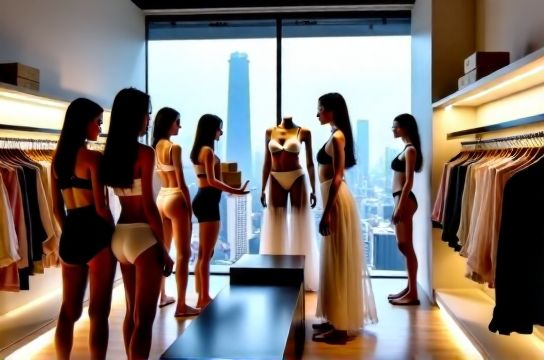
Driven by shifting social norms, digital empowerment, and a booming e-commerce ecosystem, consumer behavior is reshaping China’s lingerie landscape like never before. No longer just about function, lingerie has become a symbol of body positivity, personal style, and even feminist identity.
So, what’s really driving this shift? Let’s dive into the data.
The Rise of the Conscious Consumer
Gone are the days when price alone dictated purchase decisions. According to a 2023 McKinsey report, over 68% of Chinese female consumers now prioritize fit, comfort, and fabric quality over cost when buying lingerie. This marks a dramatic departure from traditional spending habits.
Social media platforms like Xiaohongshu (Little Red Book) and Douyin (TikTok) have amplified peer reviews, unboxing videos, and real-body try-ons—making transparency and authenticity non-negotiable.
From Function to Fashion: The Aesthetic Revolution
Lingerie in China is no longer hidden—it’s highlighted. Brands like NEIWAI (内外) and Ubras have surged by championing minimalism, gender-neutral designs, and messages of self-love. NEIWAI’s 2022 campaign “I Wear What I Want” went viral, resonating with millions who reject patriarchal beauty standards.
Meanwhile, Ubras reported a 140% year-on-year revenue increase in 2022, largely due to its seamless, wire-free bras marketed as “comfort-first” essentials for modern lifestyles.
Key Market Trends at a Glance
| Trend | Description | Market Impact |
|---|---|---|
| Comfort-Driven Design | Wire-free, breathable fabrics (e.g., bamboo fiber, organic cotton) | 75% of online sales in 2023 |
| Inclusive Sizing | Brands expanding beyond standard Asian sizes | 30% growth in plus-size segment (2021–2023) |
| DTC E-Commerce | Direct-to-consumer via Tmall, JD, and brand apps | 85% of total lingerie sales |
| Sustainability | Eco-friendly packaging and recycled materials | Top 3 concern for 55% of buyers under 30 |
Why Traditional Giants Are Struggling
Legacy Western brands like Victoria’s Secret stumbled by misreading cultural cues. Their hyper-sexualized image clashed with China’s rising demand for subtlety and empowerment. After closing over 100 stores between 2020–2022, they’ve since pivoted—launching localized campaigns featuring diverse body types and Mandarin-speaking ambassadors.
But local brands got there first. NEIWAI opened physical “quiet spaces” in Shanghai and Beijing—calm, spa-like boutiques where customers can relax, journal, or simply breathe. It’s not just retail; it’s emotional branding.
The Future? Personalization & Tech Integration
AI-powered size recommenders and AR fitting rooms are becoming standard on apps like Ubras and Miss False. Some brands even offer custom-fit algorithms based on body scans uploaded via smartphone.
As one 26-year-old Shenzhen shopper put it: “I don’t want a bra that squeezes me into an ideal. I want one that fits my real life.”
And that, perhaps, is the heart of the new Chinese lingerie revolution: realness.