Mobile First Shopping Behavior in Chinese Lingerie Market Trends
- 时间:
- 浏览:227
- 来源:CN Lingerie Hub
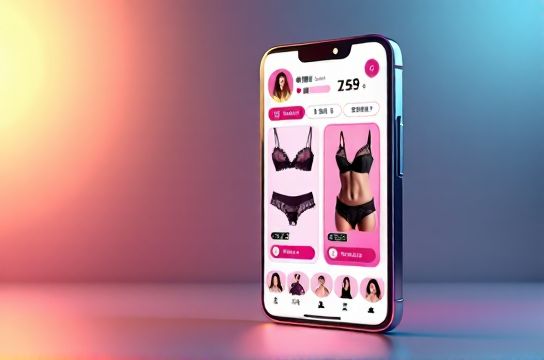
Let’s cut through the noise: In China, lingerie isn’t bought at department stores anymore—it’s tapped, swiped, and purchased on smartphones. Over 87% of all lingerie transactions in 2023 happened via mobile devices (Statista China, Q4 2023), and that number jumps to 93% among Gen Z buyers (18–25). Why? Because trust is built in moments—not brochures. Live-streamed try-ons, AI-fit quizzes, and WeChat Mini-Programs with one-click reordering aren’t gimmicks—they’re table stakes.
Here’s what the data tells us:
| Channel | % Share of Lingerie Sales (2023) | Avg. Conversion Rate | Return Rate |
|---|---|---|---|
| WeChat Mini-Programs | 41% | 6.8% | 12.1% |
| Douyin (TikTok) Live Commerce | 29% | 5.2% | 18.7% |
| Tmall App | 22% | 4.1% | 9.4% |
| Offline Stores (with QR-linked checkout) | 8% | 3.3% | 6.2% |
Notice something? Higher engagement ≠ higher retention. Douyin drives volume but suffers from inflated returns—mostly due to sizing ambiguity during live demos. Meanwhile, WeChat Mini-Programs win on loyalty: 64% of users return within 30 days (Daxue Consulting, 2024). That’s because they combine social proof (peer reviews embedded in product cards), personalized fit algorithms, and seamless post-purchase service—all inside one trusted ecosystem.
One underrated lever? Voice-assisted search. Nearly 22% of lingerie queries on Alibaba’s mobile app now begin with voice input—especially for sensitive terms like “non-wired bra” or “postpartum support.” Brands optimizing for natural-language intent (not just keywords) see +31% organic CTR.
If you’re building or refining a lingerie strategy for China, start with mobile—not as a channel, but as the *only* customer journey layer. And remember: convenience without confidence is conversion theater. Real growth comes when mobile doesn’t just sell—but reassures.
For brands ready to embed mobile-first thinking into every touchpoint—from fit tech to fulfillment—start here.