Chinese Lingerie Market Invests in Enhanced User Experience
- 时间:
- 浏览:160
- 来源:CN Lingerie Hub
In recent years, the Chinese lingerie market has undergone a quiet revolution. No longer just about lace and silk, brands are now betting big on user experience—from personalized fit tech to immersive shopping journeys. With China's intimate apparel market projected to hit $28 billion by 2025 (Statista, 2023), it’s no surprise that companies are shifting focus from pure aesthetics to holistic customer satisfaction.
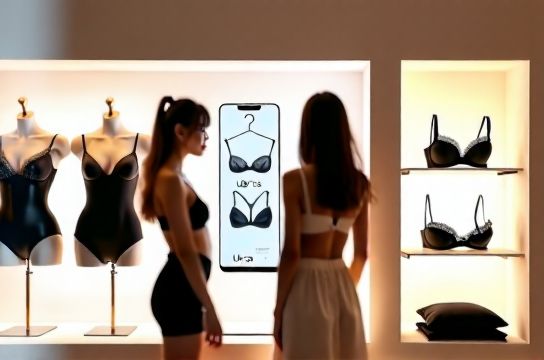
The Rise of Experience-Driven Lingerie
Gone are the days when buying lingerie meant guessing your size or settling for uncomfortable designs. Today’s Chinese consumers demand more: comfort, inclusivity, and digital convenience. Homegrown brands like NEIWAI (内外) and Ubras have disrupted the game by blending minimalist design with body-positive messaging and smart e-commerce strategies.
Take Ubras, for example. In 2023, they launched a virtual fitting room powered by AI, reducing return rates by 37%. NEIWAI, on the other hand, built a community-driven model where real customers share fit reviews and styling tips—boosting engagement and trust.
Data That Speaks Volumes
Why is user experience such a game-changer? Let’s look at the numbers:
| Metric | Industry Average | Top-Tier Brands (e.g., Ubras, NEIWAI) |
|---|---|---|
| Customer Retention Rate | 28% | 46% |
| Return Rate | 35% | 22% |
| Average Order Value (USD) | $32 | $51 |
| Mobile App Engagement (mins/session) | 4.2 | 9.8 |
As the table shows, brands investing in UX don’t just retain more customers—they also increase spending and deepen engagement.
Tech Meets Touch: The New Retail Playbook
From AR try-ons to WeChat mini-programs that remember your size preferences, technology is personalizing the lingerie journey. But it’s not all digital. Physical stores are evolving too. NEIWAI’s Shanghai flagship features private fitting pods with mood lighting and curated playlists—turning a routine purchase into a self-care ritual.
And let’s talk sizing. A 2022 survey found that 68% of Chinese women wear the wrong bra size. To tackle this, brands are rolling out AI-powered size guides and even offering free home try-on kits. The result? Happier customers and fewer returns.
What’s Next?
The future of lingerie in China isn’t just about what you wear—it’s about how you feel while buying it. As consumer expectations rise, the winners will be those who blend empathy with innovation. Think inclusive marketing, sustainable materials, and seamless omnichannel experiences.
In short, the Chinese lingerie market isn’t just selling bras—it’s selling confidence, comfort, and care. And that’s an experience worth investing in.