Chinese Lingerie Market Leverages Big Data Analytics
- 时间:
- 浏览:145
- 来源:CN Lingerie Hub
In recent years, the Chinese lingerie market has undergone a silent revolution—not driven by lace or silk, but by lines of code and consumer data. Forget outdated stereotypes; today’s Chinese women aren’t just buying bras—they’re shaping them through digital footprints, social media trends, and AI-powered recommendations.
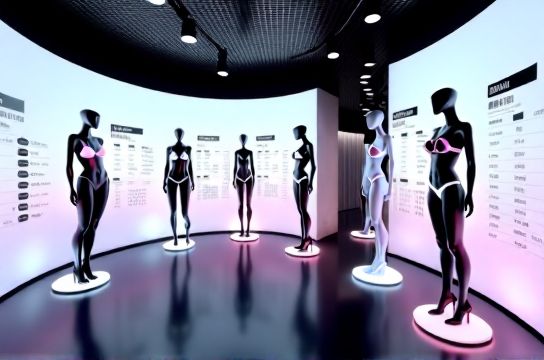
Big data analytics has become the secret weapon behind brands like NEIWAI (内外), Ubras, and Bebebao. These companies aren’t just selling comfort—they’re selling personalization at scale. By analyzing everything from browsing behavior to body type preferences, they’re turning intimate apparel into an intelligent experience.
Take Ubras, for example. In 2023, the brand reported a 42% year-over-year revenue increase, largely fueled by its data-driven marketing strategy. Their algorithm tracks over 15 million user interactions monthly across e-commerce platforms and social media—identifying regional size trends, color preferences, and even seasonal demand spikes.
But it’s not just about sales. Data is reshaping product design. NEIWAI used customer feedback from over 200,000 survey responses to launch its best-selling 'No Wire' collection, which now accounts for 60% of their online sales. This shift reflects a broader cultural change: Chinese consumers are prioritizing comfort, inclusivity, and self-expression over traditional notions of sex appeal.
How Data Powers Personalization
Modern lingerie brands use machine learning models to predict fit accuracy based on user-submitted measurements and past purchase history. Platforms integrate with apps like WeChat Mini Programs to deliver hyper-localized content. For instance, customers in humid Guangzhou might see moisture-wicking fabrics highlighted, while those in colder Beijing receive promotions on thermal-lined sets.
Here’s a snapshot of how top brands leverage big data:
| Brand | Data Source | Key Insight | Business Impact |
|---|---|---|---|
| Ubras | Taobao & Douyin Analytics | 75% of buyers prefer seamless designs | Launched 3 new seamless lines in 2023 |
| NEIWAI | Customer Surveys + CRM | Size C-D demand up 30% YoY | Expanded cup sizing nationwide |
| Bebebao | WeChat Engagement Metrics | Pink tones drive 2.3x more clicks | Rebranded packaging with soft pink |
The results? Higher conversion rates, lower return rates (down to 12% vs. industry average of 25%), and fiercely loyal customers. According to a 2024 McKinsey report, digitally-native lingerie brands now control nearly 38% of China’s $14 billion intimate apparel market.
Social commerce is another game-changer. On Xiaohongshu (Little Red Book), real-user reviews and fitting videos generate trust—and data. Brands scrape sentiment analysis from comments to refine messaging. One viral post praising Ubras’ ‘invisible under T-shirts’ led to a 19% spike in same-day sales.
Yet challenges remain. Privacy concerns linger, especially as brands collect sensitive body metrics. The key is transparency: leading players now offer opt-in data sharing with clear benefits—like better fit predictions or exclusive discounts.
Looking ahead, expect AI stylists, AR virtual try-ons, and supply chains that adjust inventory in real time based on trending hashtags. The future of lingerie in China isn’t just smart—it’s intuitive.
In this new era, your bra knows you better than you think. And honestly? That’s kind of awesome.