Luxury Lingerie Gains Popularity in Urban China
- 时间:
- 浏览:200
- 来源:CN Lingerie Hub
In the bustling streets of Shanghai, Beijing, and Shenzhen, a quiet revolution is unfolding—one lace strap at a time. Luxury lingerie, once seen as a niche indulgence, is now flying off shelves in urban China. No longer just about function, today’s Chinese women are treating lingerie as a form of self-expression, empowerment, and even investment.
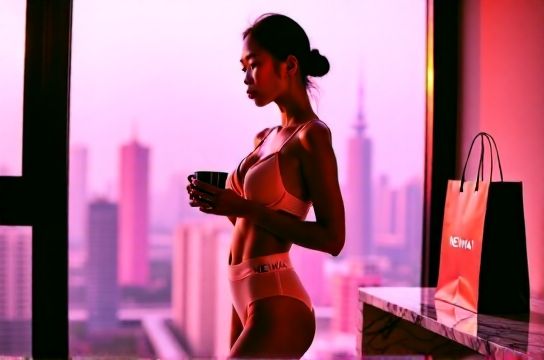
According to a 2023 report by McKinsey, China’s intimate apparel market is projected to hit $15 billion by 2025, with luxury segments growing at nearly 12% annually—outpacing mass-market lines. What’s driving this shift? Rising disposable incomes, evolving gender norms, and social media influence are reshaping desires. Women aren’t just buying bras—they’re curating boudoir wardrobes.
Brands like La Perla, Agent Provocateur, and homegrown favorite NEIWAI (内外) are redefining the game. NEIWAI, for instance, raised $180 million in Series D funding in 2022, signaling strong investor confidence. Their minimalist aesthetic and body-positive messaging resonate deeply with urban professionals aged 25–40.
But it’s not just aesthetics. Data shows a clear consumer preference for quality over quantity. A 2024 survey by JingData found that 68% of luxury lingerie buyers in Tier-1 cities prioritize fabric (like silk and French lace) and craftsmanship, while 57% are willing to pay 3x more for sustainable materials.
Why Urban Chinese Women Are Splurging on Silk & Satin
Let’s break it down. In megacities, women are delaying marriage, focusing on careers, and embracing individuality. Lingerie becomes a private luxury—a secret confidence booster. As one Shanghai-based marketing executive put it: “I wear a €200 La Perla set not for my partner, but for me. It makes me feel powerful.”
Social commerce plays a big role too. On Xiaohongshu (China’s answer to Instagram + Pinterest), hashtags like #MyLingerieJourney have over 300 million views. Influencers share unboxing videos, fit guides, and body positivity stories, normalizing high-end purchases.
Luxury vs. Mass Market: The Price & Preference Breakdown
To understand the gap, here’s a snapshot of consumer behavior:
| Category | Avg. Price (RMB) | Willingness to Pay Premium | Top Purchase Drivers |
|---|---|---|---|
| Luxury Lingerie | 800–3,000 | 68% | Quality, Design, Brand Prestige |
| Mass Market | 100–400 | 29% | Comfort, Affordability, Convenience |
As the table shows, luxury buyers aren’t just spending more—they’re investing in meaning. And brands are responding. Victoria’s Secret, after a rocky entry, relaunched with localized designs and inclusive sizing. Meanwhile, NEIWAI opened flagship stores in Shanghai’s K11 mall, blending retail with art installations.
The future? Expect more personalization, eco-conscious collections, and AR try-ons via apps. With China’s female GDP contribution rising above 40%, luxury lingerie isn’t just trending—it’s becoming a cultural statement.