Chinese Lingerie Market Responds to Changing Fashion Trends
- 时间:
- 浏览:148
- 来源:CN Lingerie Hub
In recent years, the Chinese lingerie market has undergone a dramatic transformation—driven by shifting consumer values, body positivity movements, and the rise of homegrown fashion brands. No longer just about function, lingerie in China is now a bold statement of self-expression, comfort, and empowerment.
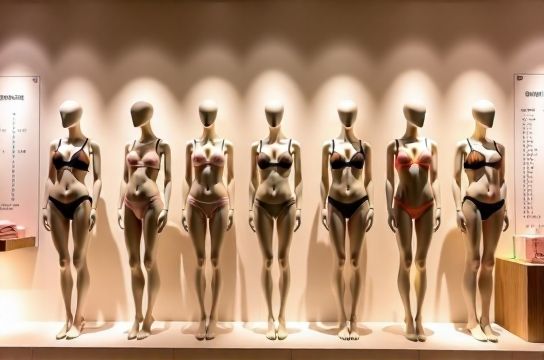
Gone are the days when padded bras and tight corsets ruled the shelves. Today’s Chinese consumers, especially Gen Z and millennial women, are demanding inclusivity, sustainability, and style. According to a 2023 report by Statista, the Chinese intimate apparel market reached $15.8 billion in revenue, with an annual growth rate of 7.2%—outpacing many other segments in fashion.
What’s fueling this change? Social media. Platforms like Xiaohongshu (Little Red Book) and Douyin have turned lingerie try-on hauls, size-inclusive reviews, and brand comparisons into viral content. Influencers championing "no wire, no problem" and "skinny to curvy, we wear it all" have reshaped beauty standards across the country.
Brands are responding fast. Homegrown players like NEIWAI (内外) and Ubras have surged in popularity by focusing on minimalist design, breathable fabrics, and gender-neutral marketing. NEIWAI, for instance, reported a 40% year-over-year sales increase in 2023, thanks to its 'True Comfort' campaign promoting unlined bras and inclusive sizing from XXS to 3XL.
Top Lingerie Brands in China (2023)
| Brand | Origin | Key Selling Point | Market Share (%) |
|---|---|---|---|
| Ubras | China | No-wire comfort wear | 18.5 |
| NEIWAI | China | Inclusive sizing & minimalism | 15.2 |
| Aimer | China | Luxury fit & craftsmanship | 12.8 |
| Triumph | Germany | Global heritage & support | 9.1 |
| Victoria's Secret | USA | Fashion-forward designs | 6.3 |
As the table shows, domestic brands now dominate the market. Ubras even partnered with Tsinghua University to study breast health, reinforcing their mission: comfort first, aesthetics second.
Meanwhile, international giants like Victoria’s Secret have had to pivot. Once known for supermodel spectacles and ultra-feminine branding, they’ve launched softer lines like 'VS Collective' featuring real women of diverse sizes and backgrounds. Still, their market share has dipped as local brands resonate more authentically with Chinese values.
Sustainability is another growing concern. A 2023 survey by McKinsey China found that 68% of urban female shoppers prefer lingerie made from eco-friendly materials like TENCEL™ or recycled lace. Brands are listening: NEIWAI introduced a carbon-neutral capsule line, while Ubras uses biodegradable packaging across all e-commerce orders.
The future? Expect more innovation in smart lingerie—think temperature-regulating fabrics, posture-support tech, and even mood-sensing wearables. With China’s digital ecosystem and agile supply chains, local designers are well-positioned to lead this next wave.
In short, the Chinese lingerie market isn’t just following trends—it’s setting them. From comfort to conscience, today’s choices reflect a deeper cultural shift: women aren’t dressing for others. They’re choosing what makes *them* feel confident, free, and fabulous.