Chinese Lingerie Market Embraces Body Positivity Movement
- 时间:
- 浏览:161
- 来源:CN Lingerie Hub
Once dominated by ultra-thin models and rigid beauty standards, China's lingerie market is undergoing a bold transformation—driven by real bodies, real voices, and a rising demand for inclusivity. No longer just about lace and allure, the industry is rewriting the rules with body positivity at its core.
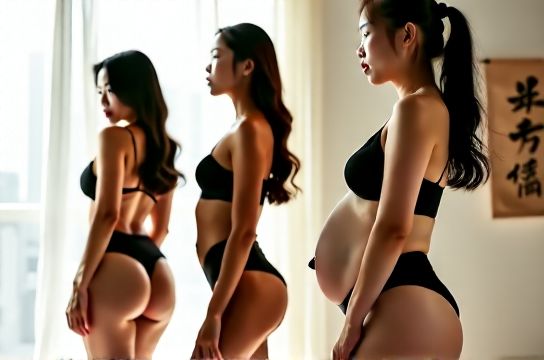
According to Statista, China’s lingerie market hit $28.6 billion in 2023, projected to grow at 7.3% CAGR through 2027. But behind the numbers lies a cultural shift: consumers are rejecting one-size-fits-all ideals and embracing diversity in size, shape, and self-expression.
Brands like NEIWAI (内外) and Ubras are leading the charge. NEIWAI, which means "inside and outside," rebranded in 2020 with the slogan “I Am What I Am,” featuring unretouched photos of women with stretch marks, scars, and natural curves. Their 2022 campaign included models ranging from UK 6 to UK 18, sparking over 500 million social media impressions.
Ubras, known for its wire-free bras, launched its #NoSize campaign in 2021, eliminating cup sizes in favor of fit-focused messaging. The result? A 40% increase in repeat customers and a viral Douyin challenge that reached 1.2 billion views.
The Data Behind the Shift
Consumer behavior reflects this evolution. A 2023 McKinsey report found that 68% of Chinese women aged 18–35 prioritize comfort and self-confidence over traditional aesthetics when buying lingerie. Meanwhile, searches for “inclusive lingerie” on Xiaohongshu rose by 142% YoY.
| Metric | 2021 | 2023 | Change |
|---|---|---|---|
| Market Size (USD Billion) | 23.4 | 28.6 | +22.2% |
| Body-Positive Campaigns (Major Brands) | 3 | 12 | +300% |
| Xiaohongshu Posts: #BodyPositivity | 890K | 2.1M | +136% |
| Customers Preferring Inclusive Sizing | 49% | 68% | +19pp |
This isn’t just marketing fluff—it’s a movement rooted in authenticity. Take Liu Yan, a 29-year-old office worker in Shanghai: “I used to feel guilty for not fitting into ‘sexy’ lingerie. Now, brands like NEIWAI make me feel seen. It’s not about looking hot for others; it’s about feeling good for myself.”
Social media has amplified these voices. On platforms like Weibo and Xiaohongshu, real users share unfiltered try-on hauls, challenging outdated norms. Influencers like Xiaojuan Wang, who has over 1.5 million followers, post videos in plus-size sets with captions like “Soft is powerful.” These grassroots stories are reshaping brand strategies from the ground up.
Even global players are adapting. Victoria’s Secret, once criticized for its lack of diversity, relaunched in China in 2023 with a rebranded store experience emphasizing empowerment and extended sizing. Their new “VS Collective” includes Chinese athletes, designers, and activists—no angel wings in sight.
But challenges remain. While progress is clear, only 30% of mid-tier brands offer extended sizes beyond EU 44. And despite growing awareness, some rural areas still face limited access to inclusive options.
Still, the momentum is undeniable. As more women demand representation, the Chinese lingerie market isn’t just selling bras—it’s selling self-love. And that’s a trend worth investing in.