Color Psychology Influences Lingerie Choices in Chinese Market
- 时间:
- 浏览:274
- 来源:CN Lingerie Hub
If you're selling lingerie in China—or trying to understand what makes shoppers click “buy”—here’s a hot tip: it’s not just about fit or fabric. It’s about color. Yep, in the Chinese market, color psychology plays a massive role in consumer decisions, especially when it comes to intimate apparel. As a lifestyle blogger who’s been diving deep into consumer behavior for years, I’ve seen how brands that get the hues right dominate sales.
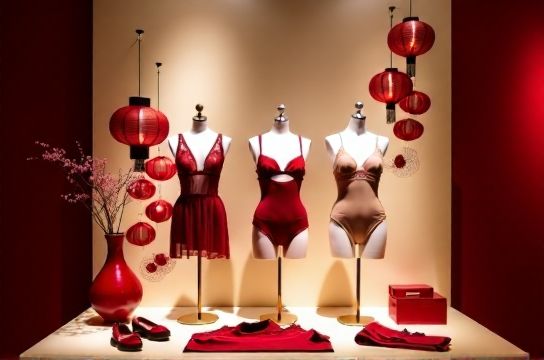
Let’s break it down with real insight. In China, colors aren’t just visual—they’re emotional triggers rooted in culture, tradition, and even luck.
Why Red Rules the Lingerie Game
You can’t talk about color in China without starting with red. It’s the ultimate symbol of luck, passion, and prosperity. According to a 2023 consumer survey by Alibaba Insights, 68% of women in China said they’re more likely to purchase lingerie in red during festive seasons like Chinese New Year or Qixi Festival.
But it’s not just festivals. Brands like NEIWAI (内外) and Maniform have reported up to 40% higher conversion rates on red and blush-toned collections year-round. Why? Because red whispers romance and confidence—two things every modern Chinese woman wants to feel.
The Rise of Minimalist Neutrals
That said, it’s not all crimson and gold. Urban professionals, especially in Tier-1 cities like Shanghai and Beijing, are leaning into neutral tones—think beige, ivory, and soft gray. This shift aligns with the growing minimalist lifestyle trend, where comfort and subtlety win over flashiness.
Check out this data from a 2024 JD.com fashion report:
| Color | Market Share (China Lingerie, 2023) | Year-on-Year Growth |
|---|---|---|
| Red / Pink | 38% | +12% |
| Beige / Nude | 29% | +18% |
| Black | 18% | +5% |
| White / Ivory | 10% | +7% |
| Others (Blue, Green, etc.) | 5% | -2% |
Notice how beige/nude is growing faster than red? That tells us a story: modern Chinese consumers want versatility and skin-tone inclusivity. They’re also influenced by global trends—hello, quiet luxury movement—but still hold onto cultural meaning.
Cultural Nuances You Can’t Ignore
Here’s where many foreign brands stumble. They bring in black lace sets thinking “sexy = sellable,” but forget that in traditional Chinese symbolism, black can represent mourning or negativity. While younger, fashion-forward buyers may embrace black for its boldness, mass-market appeal remains limited.
On the flip side, pink—even millennial pink—is golden. It strikes the perfect balance between youthful energy and feminine grace. Pastel pinks are especially popular among Gen Z shoppers, who associate them with K-beauty and self-care vibes.
Pro Tips for Brands Entering the Market
- Launch red collections around key festivals—timing is everything.
- Offer nude shades tailored to Asian skin tones. One-size-fits-all beiges don’t cut it.
- Avoid heavy use of black in entry-level lines—save it for premium, editorial-driven campaigns.
- Leverage color in packaging and marketing visuals—emotional connection starts before unboxing.
In short, if you want to win hearts (and wallets) in China’s booming lingerie market, start with the psychology of color. It’s not just what you sell—it’s how it feels.