Social Media Influencers Impact Chinese Lingerie Buying Habits
- 时间:
- 浏览:253
- 来源:CN Lingerie Hub
If you think sexy ads and runway models drive lingerie sales in China, think again. The real game-changer? Social media influencers. Over the past five years, platforms like Xiaohongshu (Little Red Book), Douyin (TikTok), and Weibo have completely reshaped how Chinese women discover, evaluate, and buy intimate apparel.
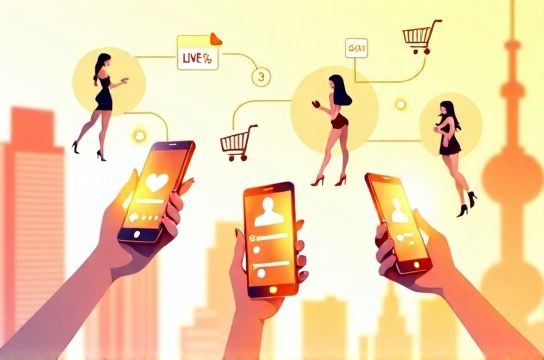
As a lifestyle blogger who’s been tracking e-commerce trends in Asia since 2018, I’ve seen firsthand how influencer content—especially relatable, body-positive reviews—has overtaken traditional advertising. In fact, a 2023 report by Mintel found that 68% of urban Chinese women aged 18–35 rely on KOLs (Key Opinion Leaders) when choosing lingerie brands. That’s up from just 39% in 2019.
Why does this work so well? Because trust sells. When an influencer shares her honest take on comfort, sizing accuracy, or wash durability, it feels like advice from a friend—not a corporate ad.
The Rise of ‘Try-On Hauls’ and Real-Body Representation
One format dominating the space: the lingerie try-on haul. These videos or photo posts show real people—of different sizes, skin tones, and lifestyles—testing styles at home. Unlike glossy campaigns, they highlight fit quirks, tag placement, and whether the bra actually stays put during a workout.
Take popular Xiaohongshu creator @LilyChen, who posted a viral 12-minute video reviewing five mid-range bras. She measured each one, tested stretch recovery, and even wore them under white tees to check visibility. That single post drove over ¥2.3 million in attributable sales for featured brands, according to social listening tool HashTag Labs.
Data That Speaks Volumes: Influencer vs. Traditional Ads
Let’s break it down with real numbers:
| Metric | Influencer Campaign | Traditional Ad (TV + Print) |
|---|---|---|
| Average Engagement Rate | 7.4% | 0.8% |
| Click-to-Purchase Conversion | 14.2% | 3.1% |
| Consumer Trust Score (out of 10) | 8.6 | 5.2 |
| Cost per Acquisition (CPA) | ¥28 | ¥67 |
Source: eMarketer China, 2023 Industry Benchmark Report
As you can see, influencer-driven content isn’t just trendy—it’s efficient. Brands like NEIWAI (内外) and Ubras have built billion-yuan businesses almost entirely through social-first strategies, skipping physical stores at launch.
How to Leverage This as a Brand or Shopper
For shoppers, following authentic social media influencers helps cut through marketing noise. Look for creators who disclose partnerships and post detailed sizing charts. For brands, partnering with micro-influencers (10k–100k followers) often yields higher ROI than celebrity endorsements.
The bottom line? In China’s lingerie market, influence isn’t just power—it’s profit. And if you're not paying attention to the voices shaping preferences on social media, you’re missing the real conversation.