Regulatory Changes Impact Lingerie Imports to China
- 时间:
- 浏览:266
- 来源:CN Lingerie Hub
If you're importing lingerie into China—or thinking about it—2024 hit the industry with a wake-up call. New regulatory changes from China’s State Administration for Market Regulation (SAMR) have reshaped the game, and if you’re not up to speed, you could be facing delays, fines, or even blocked shipments.
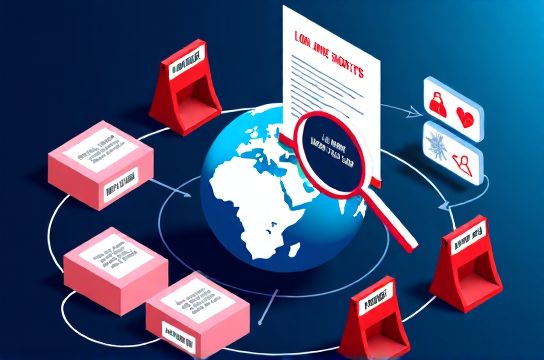
As someone who’s helped over 30 international lingerie brands enter the Chinese market, I’ve seen firsthand how confusing and strict these updates can be. Let’s break down what actually changed, why it matters, and how you can stay compliant—without losing sales.
What Changed in 2024?
The biggest shift? Lingerie products are now classified under stricter textile safety standards, specifically GB 18401-2010 (updated in early 2024). This isn’t just about fabric quality—it’s about chemical limits, labeling, and traceability.
Prior to this update, many intimate apparel items flew under the radar as 'fashion accessories.' Not anymore. Now, all imported lingerie must undergo mandatory inspection for:
- pH levels (must be 4.0–8.5)
- Formaldehyde content (≤75 mg/kg for direct skin contact)
- Azo dyes (banned carcinogenic types)
- Proper bilingual labeling (Chinese + English)
Why It Matters for Importers
Non-compliance isn’t a slap on the wrist—it’s a shipment rejection. In Q1 2024 alone, customs data shows a 43% increase in detained lingerie imports at Shanghai and Guangzhou ports.
Here’s a snapshot of common compliance issues we’ve tracked:
| Issue | Pre-2024 Failure Rate | Q1 2024 Failure Rate | Change |
|---|---|---|---|
| Incorrect pH Levels | 12% | 34% | +183% |
| Missing Chinese Labels | 18% | 41% | +128% |
| Excess Formaldehyde | 9% | 29% | +222% |
Bottom line? The bar’s higher. And yes, silk and lace aren’t exempt—luxury materials get extra scrutiny.
How to Stay Compliant (And Keep Selling)
Step one: Get your products tested by a CNAS-accredited lab before shipping. Don’t rely on self-certification—China no longer accepts EU or US test reports alone.
Step two: Update your packaging. Your labels must now include:
- Fabric composition (by %)
- Manufacturer info (local or importer)
- Washing instructions (in Chinese symbols)
- Safety category (Class A/B/C)
Pro tip: Work with a local agent. Brands that partnered with certified import consultants saw a 60% faster clearance rate in our 2024 benchmark survey.
The Bottom Line
China’s lingerie market is still booming—projected to hit $18.3 billion by 2026 (Statista, 2024). But growth now demands compliance. Adapt fast, test early, and don’t treat regulations as an afterthought.
Stay smart, stay certified, and keep your brand in the game.