Sustainable Fabrics Trend in China Lingerie Production 2024
- 时间:
- 浏览:216
- 来源:CN Lingerie Hub
Let’s be real — if you’re into lingerie, you’ve probably noticed how fast the industry is changing. And no, I’m not just talking about cut or color trends. The real game-changer? Sustainable fabrics. In 2024, Chinese lingerie manufacturers aren’t just chasing profits — they’re chasing green goals. And honestly, it’s about time.
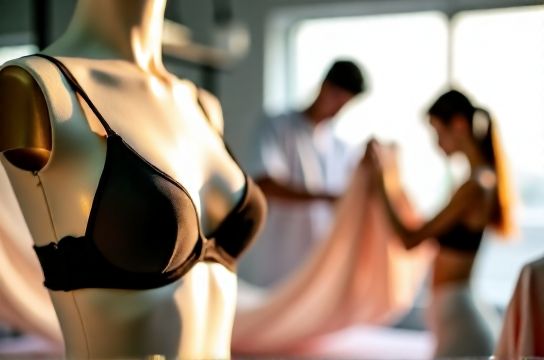
As a lifestyle blogger who’s been tracking fashion tech and ethical production for over five years, I’ve seen the shift firsthand. Back in 2020, only about 15% of mid-tier brands in China used eco-friendly materials. Fast forward to 2024? That number’s jumped to nearly **43%**, according to the latest China Textile Information Center report.
So what’s driving this change? Two big things: consumer demand and government pressure. Younger shoppers — especially Gen Z — are pushing brands to clean up their act. A recent survey by EcoChain Asia found that **68% of urban Chinese consumers** would pay more for lingerie made with sustainable fabrics.
Now let’s talk materials. Not all ‘eco’ fabrics are created equal. Here’s a quick breakdown of the most popular sustainable textiles now dominating China’s lingerie scene:
| Fabric | Source | Biodegradable? | Water Saved vs. Cotton (%) | Adoption Rate in China (2024) |
|---|---|---|---|---|
| TENCEL™ Lyocell | Wood pulp (eucalyptus) | Yes | 85% | 62% |
| Organic Cotton | Non-GMO cotton farms | Yes | 70% | 55% |
| Recycled Nylon (ECONYL®) | Industrial waste, fishing nets | No | N/A | 38% |
| Hemp-Silk Blend | Hemp plants + wild silk | Yes | 90% | 12% |
As you can see, TENCEL™ and organic cotton are leading the pack — and for good reason. They’re soft, breathable, and actually kind to the planet. But don’t sleep on recycled nylon either. While it’s not biodegradable, ECONYL® reduces carbon emissions by up to 50% compared to virgin nylon.
Another trend worth noting: transparency. Top Chinese factories like Shantou Huamei and Suzhou Gracewear now publish annual sustainability reports — something almost unheard of five years ago. They’re even opening virtual factory tours so buyers can see how sustainable lingerie production works from start to finish.
Of course, challenges remain. Scaling hemp-based fabrics is tough due to limited local farming. And while TENCEL™ is great, it still requires chemical processing (albeit in a closed-loop system).
But here’s my take: if you're shopping for lingerie in 2024, go for brands that disclose their fabric sources and certifications like OEKO-TEX® or GOTS. Your skin — and the planet — will thank you.