Changing Preferences in China's Lingerie Consumer Base
- 时间:
- 浏览:234
- 来源:CN Lingerie Hub
If you’ve been paying attention to fashion trends in Asia, you’ve probably noticed a major shift — especially in China's lingerie market. It’s no longer just about size or style; it’s about identity, comfort, and self-expression. As a lifestyle blogger who’s tracked intimate apparel trends for over five years, I’ve seen firsthand how Chinese consumers are rewriting the rules.
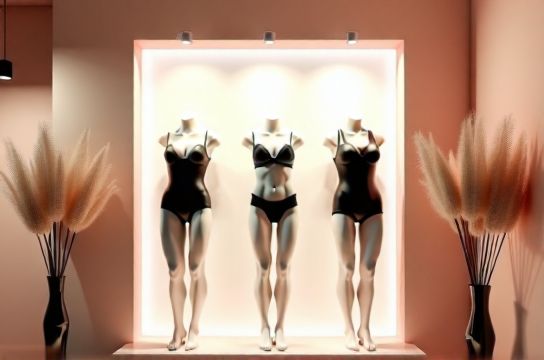
Gone are the days when lace meant luxury and push-up bras ruled the shelves. Today’s shoppers — particularly Gen Z and young millennials — are demanding inclusivity, sustainability, and body positivity. According to a 2023 McKinsey report, the Chinese lingerie market hit $18.7 billion in revenue, with online sales accounting for 63% of total transactions. But more importantly, consumer values are evolving fast.
The Rise of Comfort-First Design
One of the biggest shifts? The move from "sexy" to "comfortable." Brands like NEIWAI (内外) and Ubras have capitalized on this by promoting wire-free, seamless designs made from organic cotton and TENCEL™. In fact, Ubras saw a 40% year-on-year increase in sales after launching their zero-pressure bra line in 2022.
Here’s a quick snapshot of how top brands stack up:
| Brand | Founded | Key Selling Point | 2023 Market Share (%) |
|---|---|---|---|
| Ubras | 2016 | Wire-free innovation | 14.2 |
| NEIWAI | 2012 | Minimalist design & inclusivity | 11.8 |
| Aimer | 1999 | Traditional fit & wide retail presence | 9.5 |
| Victoria's Secret (China) | 2001 | Global brand recognition | 6.1 |
Notice something? Homegrown brands now dominate. Why? Because they speak directly to local values — like body diversity and emotional wellness. Victoria’s Secret, once a symbol of aspiration, has seen declining relevance despite its global fame. Their failure to adapt messaging around body image cost them dearly in China.
Social Media Drives Real Change
We can’t talk about changing preferences without mentioning digital influence in China's lingerie market. Platforms like Xiaohongshu (Little Red Book) and Douyin (TikTok’s Chinese cousin) are where real conversations happen. Hashtags like #MyBodyMyRules and #NoMoreUnderwire have millions of views, with users sharing unfiltered reviews and personal stories.
Influencers aren’t just promoting products — they’re advocating for change. One viral campaign by NEIWAI featured women of all sizes wearing the same bra style, challenging beauty norms. Engagement spiked by 200%, proving that authenticity sells.
What’s Next?
The future is inclusive, tech-savvy, and eco-conscious. AI-powered fit recommenders, carbon-neutral packaging, and gender-neutral lines are already emerging. For shoppers navigating this space, my advice is simple: follow the brands that listen. And if you're trying to understand where modern lingerie trends in China are headed, just look at who’s buying — and why.