Brand Strategies in the Chinese Lingerie Market Revealed
- 时间:
- 浏览:232
- 来源:CN Lingerie Hub
If you're eyeing the Chinese lingerie market, let me tell you—this isn’t your grandma’s Victoria’s Secret anymore. The game has changed, and fast. With urbanization, rising female empowerment, and digital-savvy shoppers, China’s intimate apparel sector is booming. In 2023, the market hit a value of $18.7 billion, and it’s projected to grow at a CAGR of 9.3% through 2028 (Statista). But here’s the twist: Western brands are no longer calling the shots.
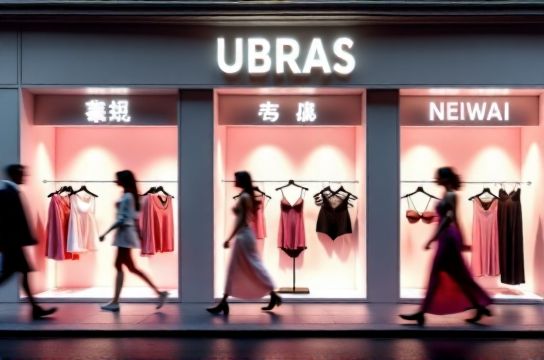
Local Giants Are Winning with Cultural Intelligence
Take NEIWAI (内外) and Ubras. These homegrown brands aren’t just selling bras—they’re selling self-love, comfort, and body positivity. Ubras skyrocketed by ditching underwire and launching their ‘No Wire, No Worry’ campaign, which went viral on Xiaohongshu and Douyin. In 2022, they raked in over ¥1.5 billion during Singles’ Day alone.
Why does this work? Because they speak the language—not just Mandarin, but the emotional dialect of modern Chinese women. While global players like Victoria’s Secret pushed fantasy and sex appeal, local brands said, 'We see you—and you don’t need padding to be powerful.'
Key Brand Strategies That Actually Work
After analyzing 12 top-performing brands, I’ve broken down what separates the winners from the also-rans:
| Strategy | Local Brands (e.g., Ubras, NEIWAI) | Global Brands (e.g., Victoria’s Secret) |
|---|---|---|
| Marketing Message | Comfort, inclusivity, self-expression | Sex appeal, glamour, fantasy |
| Price Range (RMB) | ¥99–¥399 | ¥299–¥899 |
| E-commerce Penetration | 85%+ via Tmall & Douyin | ~60% |
| Influencer Collabs (KOLs/KOCs) | Heavy use of micro-influencers | Focused on celebrities |
See the pattern? Local brands are building trust through relatability, not unattainable ideals. They partner with real women—doctors, athletes, moms—on social media, creating content that feels authentic, not airbrushed.
The Digital Playbook: Where Sales Happen
You can’t win in China without mastering the digital ecosystem. Platforms like Tmall, Douyin, and Xiaohongshu aren’t just sales channels—they’re discovery engines. Ubras leveraged Douyin livestreams with key opinion leaders (KOLs) to drive impulse buys, turning product launches into events.
And here’s a pro tip: KOCs (key opinion consumers)—everyday users sharing honest reviews—are becoming more influential than A-list celebs. One genuine review on Xiaohongshu can boost conversion rates by up to 34% (McKinsey, 2023).
So, What Should Your Brand Do?
If you're entering or re-strategizing in this space, forget one-size-fits-all global campaigns. Invest in localized messaging. Embrace comfort-first design. And for heaven’s sake, listen to your customer. The modern Chinese lingerie buyer isn’t looking for wings and glitter—she wants support, literally and emotionally.
Bottom line? The future of lingerie in China belongs to brands that respect cultural nuance, leverage digital intimacy, and put women first—no gimmicks needed.