Comprehensive Review of Chinese Lingerie Market Dynamics
- 时间:
- 浏览:112
- 来源:CN Lingerie Hub
If you're eyeing the Chinese lingerie market, let me tell you—this isn’t your average fashion frontier. It’s a high-growth, fast-evolving space where tradition meets trend, and savvy brands are cashing in. As someone who’s tracked intimate apparel trends across Asia for over a decade, I’ve seen how shifting consumer mindsets, digital platforms, and homegrown innovation are reshaping the game.
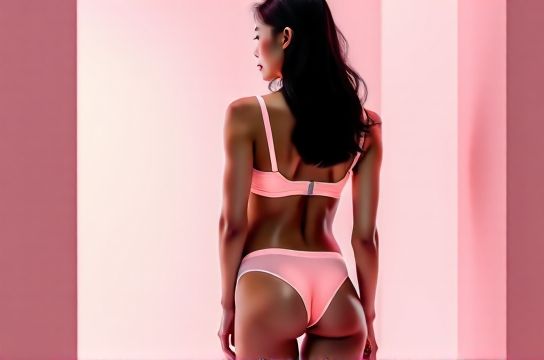
Gone are the days when lingerie in China meant basic cotton bras from department stores. Today’s Chinese consumers—especially Gen Z and young millennials—are demanding style, comfort, and self-expression. In fact, according to Statista, the Chinese lingerie market was valued at $14.3 billion in 2023 and is projected to grow at a CAGR of 8.6% through 2028. That’s serious momentum.
What’s driving this boom? Three big forces: e-commerce dominance, body positivity movements, and localized branding. Platforms like Tmall, JD.com, and Douyin (China’s TikTok) have made it easier than ever for both local and international brands to reach customers. But here’s the kicker—local players are outmaneuvering global giants by understanding cultural nuances better.
Take Neiwear or Ubras—two homegrown brands that’ve exploded by focusing on wire-free designs, inclusive sizing, and empowering messaging. Ubras, for instance, reported over 3 billion RMB in GMV during the 2023 Singles’ Day festival alone. Compare that to Victoria’s Secret, which has been scaling back its physical presence in China despite rebranding efforts.
Let’s break down how key players stack up:
| Brand | Origin | Key Selling Point | 2023 Estimated Revenue (RMB) |
|---|---|---|---|
| Ubras | China | Wire-free, minimalist design | 3.2 billion |
| Neiwear | China | Inclusive sizing, feminist branding | 1.8 billion |
| Victoria’s Secret | USA | Luxury image, legacy brand | 900 million |
| Aimer | China | Traditional fit, wide retail reach | 2.5 billion |
As the data shows, local brands aren’t just competing—they’re leading. Why? Because they speak the language of modern Chinese women. Campaigns now focus on comfort over sex appeal, wellness over glamour. Hashtags like #MyBodyMyRules and #NoMoreWires trend regularly on Weibo and Xiaohongshu.
For foreign brands looking to enter or re-engage, my advice? Don’t copy-paste Western strategies. Partner with local influencers, invest in social listening, and rethink your product line. Seamless, breathable fabrics and sizes beyond M are no longer optional—they’re expected.
The bottom line? The lingerie market in China is no longer about selling bras—it’s about selling confidence. And right now, the home team’s winning.