Regulatory Changes Affecting Chinese Lingerie Industry Growth
- 时间:
- 浏览:140
- 来源:CN Lingerie Hub
If you're keeping an eye on the global fashion scene, you’ve probably noticed how fast the Chinese lingerie industry is evolving. But here’s the real tea: it’s not just trends driving this growth — it’s regulation. Yep, government policies are quietly reshaping how brands design, market, and sell intimate apparel in China. And if you’re a brand or buyer trying to navigate this space, understanding these regulatory shifts isn’t optional — it’s essential.
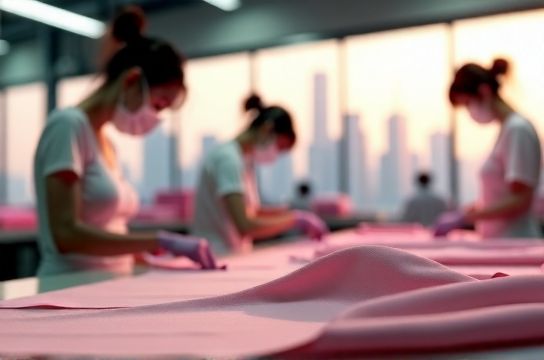
Over the past three years, China has tightened product safety standards and advertising guidelines, especially for textiles touching sensitive skin. The State Administration for Market Regulation (SAMR) rolled out新规 in 2022 requiring all lingerie labels to list fabric composition, pH levels, and formaldehyde content. Why? Because reports showed nearly 18% of tested products exceeded safe chemical limits. That number dropped to 6% by 2023 — proof that regulations are working… and squeezing out non-compliant players.
Let’s break down the key changes and what they mean for consumers and brands:
New Regulatory Requirements (2022–2024)
| Regulation | Effective Date | Key Requirement | Impact on Brands |
|---|---|---|---|
| GB 18401-2022 Textile Safety | Jan 2023 | pH 4.0–8.5; low formaldehyde | Reformulation costs +15–20% |
| Advertising Law Amendment | Mar 2022 | No exaggerated 'body-shaping' claims | Fines up to ¥500k for false ads |
| E-commerce Labeling Rule | Jul 2023 | Full material disclosure online | 90% compliance rate achieved by 2024 |
So what’s the bottom line? Smaller brands without R&D muscle are struggling, while giants like NEIWAI (内外) and Ubras are thriving by investing in certified fabrics and clean marketing. In fact, NEIWAI’s 2023 revenue jumped 37% year-over-year — partly because they leaned into transparency early.
And here’s a pro tip: look for the China Fiber Inspection Certificate when shopping. It’s becoming the gold standard for trust. Meanwhile, international brands entering China now need local compliance officers — something few planned for five years ago.
The message is clear: regulation isn’t slowing the Chinese lingerie industry — it’s upgrading it. Quality over quick cash. Long-term trust over viral hype. If you're in this market, play smart, stay compliant, and your brand won’t just survive — it’ll lead.