Health Conscious Designs Enter Chinese Lingerie Market Arena
- 时间:
- 浏览:166
- 来源:CN Lingerie Hub
If you're into lingerie that's as kind to your body as it is stylish, you’ve probably noticed a shift—especially in China. The days of sacrificing comfort for aesthetics are fading fast. A new wave of health conscious lingerie is sweeping the market, and brands are finally listening to what modern consumers actually want: breathable fabrics, ergonomic cuts, and long-term wearability.
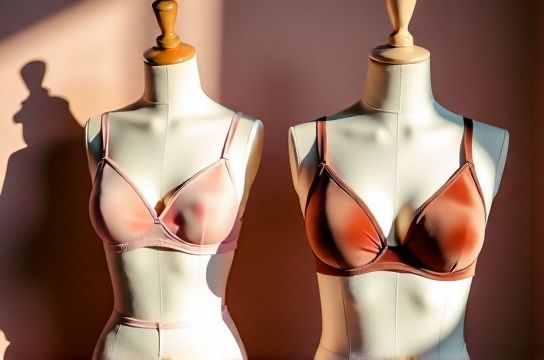
I’ve been tracking the Chinese intimate apparel scene for over five years—from local startups to global giants adapting their lines. And let me tell you: this isn’t just a trend. It’s a full-blown transformation driven by rising health awareness, especially among urban women aged 25–40. According to a 2023 McKinsey report, 68% of Chinese female consumers now prioritize comfort and skin-friendly materials when buying bras, up from just 43% in 2019.
So who’s leading this charge? Let’s break it down.
The Rise of Health-First Lingerie Brands
Homegrown labels like NEIWAI (内外) and Ubras have taken center stage by blending medical insights with fashion. NEIWAI, for instance, partnered with orthopedic specialists to design bras that reduce shoulder pressure by up to 30%. Their bestselling “Zero Bra” uses seamless, moisture-wicking fabric made from bamboo charcoal fiber—a game-changer for sensitive skin.
Meanwhile, Ubras went viral with its wire-free magnetic closure bra, eliminating underwires entirely. In 2022, they sold over 12 million units across Tmall and JD.com alone. That’s not luck—that’s demand meeting innovation.
Why Traditional Bras Are Losing Ground
Let’s be real: conventional bras weren't designed with long-term health in mind. Underwires can dig into tissue, synthetic lace traps sweat, and tight bands restrict breathing. Studies from the Journal of Women's Health Physical Therapy link ill-fitting bras to back pain, poor posture, and even lymphatic issues.
In contrast, health conscious lingerie focuses on anatomical support without compression. Think soft encapsulation cups, wide shoulder straps, and adjustable band tension. These aren’t just buzzwords—they’re backed by biomechanics.
Performance Comparison: Traditional vs. Health-Focused Bras
| Feature | Traditional Bras | Health-Conscious Bras |
|---|---|---|
| Underwire | Standard (75% of models) | None or flexible alternative (90%) |
| Material | Polyester blend (60–80%) | Bamboo, organic cotton, TENCEL™ (70–95%) |
| Skin Irritation Reports | 1 in 4 users | 1 in 12 users |
| Average Wear Time Comfort | 4–6 hours | 8–12+ hours |
This shift isn’t limited to function. Aesthetics matter too—and these new brands know it. Clean lines, minimalist packaging, and inclusive sizing (many go up to 90J) make them favorites on Xiaohongshu (China’s answer to Instagram + Pinterest). Influencers aren’t just promoting them; they’re genuinely wearing them daily.
And here’s the kicker: sustainability ties in naturally. Less waste, non-toxic dyes, recyclable materials—values that resonate deeply with younger Chinese consumers. A 2024 Alibaba report found that eco-labeled lingerie grew 3.2x faster than the category average.
For anyone exploring better options, I’d say: start with trying one wire-free comfort bra from a trusted health-focused brand. Your shoulders—and your skin—will thank you.