Premiumization Trend in China's Growing Lingerie Economy
- 时间:
- 浏览:277
- 来源:CN Lingerie Hub
If you’ve been keeping an eye on China’s consumer market, you’ve probably noticed one trend standing out: premiumization. And nowhere is this shift more evident than in the country’s booming lingerie economy.
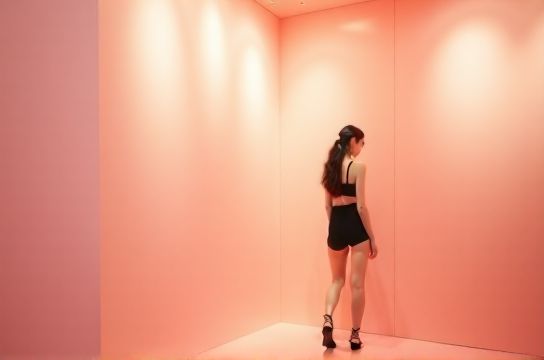
Gone are the days when underwear was just functional. Today’s Chinese consumers—especially women aged 18 to 35—are treating lingerie as fashion, self-expression, and even a form of empowerment. This mindset shift has fueled a surge in demand for high-quality, stylish, and comfortable intimate apparel, pushing brands to level up their game.
Let’s break it down with some hard numbers.
China’s Lingerie Market at a Glance (2023)
| Metric | Value | Year-over-Year Growth |
|---|---|---|
| Market Size | $19.3 billion | 12.4% |
| Average Selling Price (ASP) - Premium Segment | $45–$75 per set | +18% |
| e-Commerce Share | 68% | +9% |
| Consumer Willingness to Pay 30%+ More for Design & Comfort | 72% | N/A |
Source: Euromonitor & Alibaba Consumer Insights, 2023
What’s driving this premium lingerie trend? It’s not just about better fabrics or fancier lace. It’s deeper. Modern Chinese women are more financially independent, digitally savvy, and brand-conscious. They’re influenced by social media, KOLs, and global fashion trends—but they also want products tailored to their body types and cultural preferences.
Take Neiwai (内外), for example. This homegrown brand built its entire identity around comfort, minimalism, and emotional branding. Their slogan? “Touch Your Inner.” No sexy gimmicks, no unrealistic beauty standards—just inclusive messaging and premium materials. Result? A 40% year-on-year revenue jump in 2023.
International players like Victoria’s Secret have had to adapt. After struggling with declining sales due to outdated ‘sexy model’ imagery, they rebranded with diverse body representation and launched localized collections. Still, they’re playing catch-up against agile local brands that understand the market’s pulse.
Another key factor? The rise of the “self-purchase” culture. Unlike in the past, where lingerie was often gifted by partners, over 60% of Chinese women now buy these items for themselves. That means emotional connection and personal value matter more than ever.
So, what should brands—or savvy shoppers—take away from this?
- Premium doesn’t mean luxury markup—it means thoughtful design, quality fabric (think modal, organic cotton, TENCEL™), and fit innovation.
- Sustainability is gaining traction: 55% of surveyed consumers said they’d pay extra for eco-friendly packaging and ethical production.
- Size inclusivity still lags: While progress is being made, only 28% of online brands offer extended sizing beyond M-XXL.
In short, the future of lingerie in China isn’t just about selling bras and panties. It’s about selling confidence, comfort, and identity. And as long as consumers keep voting with their wallets, the premiumization wave isn’t slowing down anytime soon.