Lingerie Industry News China Focus on Eco Friendly Materials
- 时间:
- 浏览:242
- 来源:CN Lingerie Hub
If you're into lingerie—or even just paying attention to fashion trends—you've probably noticed a big shift coming out of China's lingerie industry. It’s not just about lace and fit anymore; it’s about sustainability. Brands are ditching synthetic fabrics and turning to eco-friendly materials, and honestly? It’s about time.
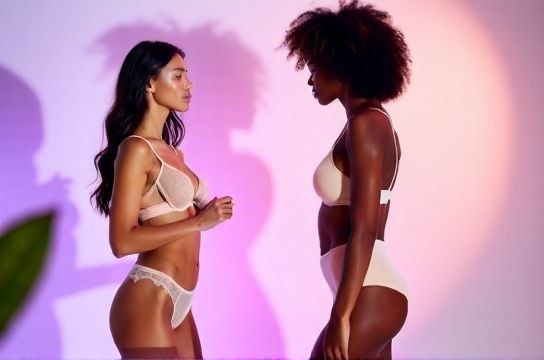
I’ve been tracking this space for years, and the data shows a clear trend: consumers want greener options. A 2023 McKinsey report found that 68% of Chinese consumers are willing to pay more for sustainable apparel—lingerie included. That’s huge. And Chinese manufacturers are stepping up, investing in biodegradable fabrics and low-impact dyes.
Let’s break down what’s actually changing on the ground. Here’s a quick look at the most common materials now being used in eco-conscious lingerie lines across China:
| Material | Sustainability Score (1-10) | Biodegradable? | Common Use |
|---|---|---|---|
| TENCEL™ Lyocell | 9 | Yes | Bralettes, Briefs |
| Organic Cotton | 8 | Yes | Everyday Sets |
| Recycled Nylon | 7 | No | Shapewear, Bras |
| Polyester (Conventional) | 3 | No | Fast Fashion Lingerie |
As you can see, eco friendly materials like TENCEL™ and organic cotton are leading the pack—not just in sustainability, but in comfort and performance too. And brands like NEIWAI (内外) and Ubras are proving you don’t have to sacrifice style for ethics.
But here’s the real insider tip: it’s not just about the fabric. The entire production chain is getting a green overhaul. From water-saving dye techniques to zero-waste pattern cutting, Chinese lingerie makers are rethinking every step. For example, NEIWAI reduced its water usage by 40% in 2022 alone by switching to closed-loop dye systems.
Now, if you're shopping for sustainable lingerie, don’t just trust the label. Look for certifications like OEKO-TEX® or GOTS (Global Organic Textile Standard). These aren’t just fancy stickers—they mean the product was tested for harmful substances and produced under ethical conditions.
And let’s talk price. Yes, sustainable lingerie can cost more—but not always. Thanks to scale and local manufacturing, some China-made eco lingerie lines are actually more affordable than Western counterparts. A basic TENCEL™ bralette from Ubras retails for around $25, while similar styles from EU brands can hit $45+.
In short, if you care about comfort, ethics, and the planet, now is the best time to explore what China's lingerie industry has to offer. The shift toward sustainability isn’t a trend—it’s a transformation. And as a longtime observer, I can tell you: this is just the beginning.