How Consumer Behavior Impacts Chinese Lingerie Sales
- 时间:
- 浏览:218
- 来源:CN Lingerie Hub
If you're trying to crack the code on China's booming lingerie market, here's the real tea: it’s not just about lace and sizing—it’s about mindset. As a lifestyle blogger who’s been tracking fashion trends across Asia for over six years, I’ve seen how consumer behavior completely reshapes what sells—and what flops—on platforms like Taobao and Xiaohongshu.
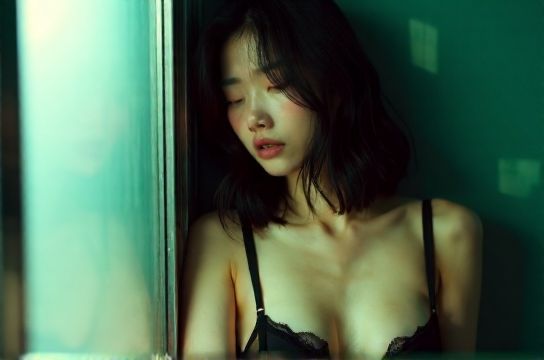
Gone are the days when Chinese women bought lingerie purely for function. Now? It’s personal expression. According to a 2023 report by iiMedia Research, the Chinese intimate apparel market hit ¥175 billion (~$24.3 billion) in sales, with self-purchase rates among women under 35 jumping to 68%. That’s huge. And guess what’s driving it? Emotional connection, body positivity, and social media influence.
Let me break it down with some real data:
| Consumer Segment | Average Spend (RMB/year) | Purchase Motivation | Primary Platform |
|---|---|---|---|
| Gen Z (18–25) | 850 | Self-expression, aesthetics | Xiaohongshu |
| Millennials (26–35) | 1,200 | Comfort, quality, brand trust | Taobao/Tmall |
| Gen X (36–50) | 620 | Functionality, durability | JD.com |
See the pattern? Younger buyers aren’t just shopping—they’re curating an identity. They scroll through Xiaohongshu lookbooks for outfit inspo and expect their bras to match their vibe, whether that’s ‘clean girl aesthetic’ or ‘cute rebellion.’ Brands like NEIWAI (内外) and Ubras get this. They’ve ditched traditional sexy marketing and instead promote slogans like “Wear what feels like you.” Smart? Absolutely.
But here’s where things get spicy: comfort is king. A 2022 consumer survey found that 79% of urban Chinese women prioritize fabric breathability over push-up power. That’s why seamless, wire-free bras now make up 43% of online sales—up from just 18% in 2018. The message is loud and clear: if your product pinches, it’s out.
Another game-changer? Body inclusivity. While Western brands still struggle with extended sizes, local players are stepping up. Ubras launched a campaign featuring real women of all shapes—no Photoshop—and saw a 31% increase in conversion rates. Meanwhile, cross-border sellers often fail because they assume Chinese bodies fit Western smalls. Newsflash: average bust size has increased by 1.5 inches over the past decade. Ignoring that? That’s leaving money on the table.
And let’s talk trust. Unlike in the U.S., where Amazon reviews rule, Chinese shoppers rely heavily on KOLs (Key Opinion Leaders). A single unboxing video from a top-tier influencer can spike sales by 200% overnight. But authenticity matters. Hard-sell tactics? Cringe. Instead, successful campaigns feel like advice from a friend. Think: 'I tried 5 bras so you don’t have to'—not 'BUY NOW!!!'
So, what’s the takeaway? If you want to win in China’s lingerie space, stop pushing products and start building emotional resonance. Understand the cultural shift toward self-care, leverage real-user content, and optimize for mobile-first platforms. Because in this market, feelings sell more than features ever could.