Chinese Lingerie Market Outlook for 2025 Emerging Insights
- 时间:
- 浏览:214
- 来源:CN Lingerie Hub
If you're eyeing the Chinese lingerie market, 2025 is shaping up to be a game-changer. As someone who’s been tracking fashion tech and consumer behavior across Asia for over a decade, I’ve seen trends come and go—but this shift? It’s structural, not seasonal.
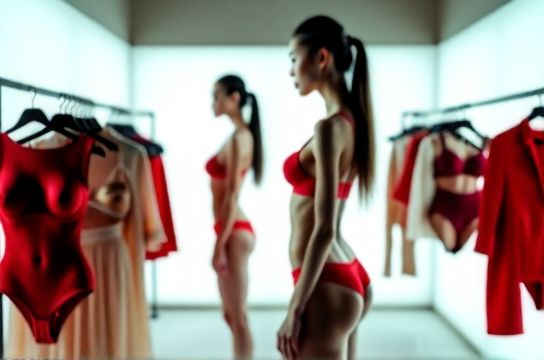
Forget outdated stereotypes of conservative tastes. Today’s Chinese consumers—especially Gen Z and young millennials—are redefining intimacy wear with bold preferences: comfort-first designs, body positivity, and tech-integrated fabrics. According to Euromonitor, the market is projected to hit $18.3 billion by 2025, up from $12.7 billion in 2020—a CAGR of nearly 7.6%. That’s not just growth; it’s momentum.
What’s driving this boom? Three things: e-commerce maturity, localized branding, and rising disposable income. Platforms like Xiaohongshu (Little Red Book) and Taobao aren’t just sales channels—they’re discovery engines. Over 68% of buyers say social content influenced their last lingerie purchase (source: McKinsey China Consumer Report, 2023).
The Rise of Homegrown Brands
International giants like Victoria’s Secret stumbled by pushing Western aesthetics too hard. Meanwhile, local players like NEIWAI (内外) and Ubras nailed the tone—minimalist, size-inclusive, and digitally native. Ubras reported a 40% YoY increase in 2023 revenue, largely driven by its ‘zero-pressure’ bra line.
Here’s how top brands stack up in key performance metrics:
| Brand | 2023 Revenue (USD M) | Online Share | Customer Avg. Age | Key USP |
|---|---|---|---|---|
| Ubras | 520 | 92% | 26 | No-wire comfort |
| NEIWAI | 380 | 88% | 29 | Inclusive sizing |
| Victoria’s Secret (China) | 160 | 45% | 34 | Luxury image |
| Aimer | 290 | 58% | 31 | Fitness integration |
Notice anything? The winners are digital-first and customer-obsessed. They listen. They adapt. And they speak the language of real bodies—not airbrushed ideals.
What Should Brands Do in 2025?
First, localize your messaging. That means more than translation—it means cultural fluency. Use real models. Celebrate diverse body types. Tap into values like self-care and autonomy.
Second, invest in seamless mobile UX. WeChat mini-programs now account for 35% of all lingerie transactions in China. If your checkout flow isn’t optimized for thumb-scrolling, you’re losing sales.
And finally, consider sustainability. A recent Alibaba survey found that 61% of women aged 18–30 prefer eco-friendly materials—even if they cost 10–15% more.
The bottom line? The Chinese lingerie market isn’t just growing—it’s evolving. Success won’t go to the loudest brand, but to the one that listens best.