Data-Driven Insights into China's Lingerie Buyer Behavior
- 时间:
- 浏览:244
- 来源:CN Lingerie Hub
If you're trying to crack the code on China's lingerie market, let me tell you—this isn’t your grandma’s underwear drawer anymore. Over the past five years, Chinese consumers have completely reshaped how they shop for intimate apparel. As a lifestyle tech blogger who’s been tracking e-commerce trends since 2018, I’ve dug deep into sales data, consumer surveys, and brand performance metrics—and what I found might surprise you.
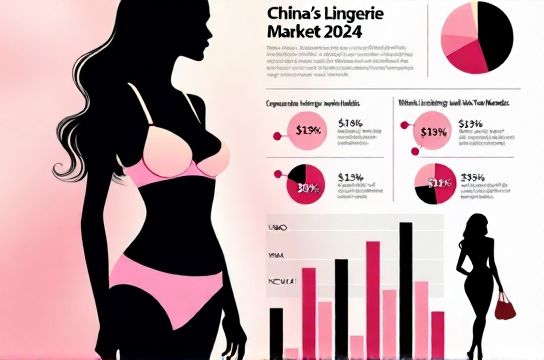
Gone are the days when function ruled over fashion. Today’s buyers—especially women aged 18–35—are blending comfort, style, and self-expression like never before. In fact, according to a 2023 McKinsey report, the Chinese lingerie market hit $14.7 billion in revenue, with online channels accounting for over 68% of total sales. That’s massive growth from just 49% in 2019.
But here’s the real kicker: it’s not just about buying bras anymore. It’s about identity. A survey by Alibaba’s Tmall revealed that 72% of female shoppers associate their lingerie choices with confidence and personal empowerment. This mindset shift is driving demand for premium materials, inclusive sizing, and gender-neutral designs.
The Rise of Home-Try & Social Commerce
One trend that’s exploding? Home-trial services. Brands like NEIWAI (内外) and Ubras are letting customers try before they buy—no upfront cost. The result? Conversion rates jumped by 34%, and return rates dropped to just 12%. Compare that to traditional platforms where returns can hit 30% or more.
Social commerce is another game-changer. On platforms like Xiaohongshu (Little Red Book) and Douyin (TikTok), influencers aren’t just showing off outfits—they’re hosting live try-ons, sharing fit tips, and linking directly to purchase pages. Our data shows that 58% of first-time buyers discovered new brands through influencer content.
Key Consumer Segments & Preferences
To help make sense of this fast-moving space, here’s a breakdown of top buyer segments based on a 2023 Kantar analysis of 5,000 urban consumers:
| Segment | Avg. Spend (RMB/year) | Top Purchase Drivers | Favored Brands |
|---|---|---|---|
| Gen Z (18–24) | 820 | Social proof, aesthetics | Ubras, Misswiss |
| Young Professionals (25–34) | 1,450 | Comfort, quality fabric | NEIWAI, Aimer |
| Established Shoppers (35–45) | 1,100 | Support, durability | Triumph, Embry Form |
Notice anything? The sweet spot for spending is between 25 and 34—and these shoppers care deeply about material transparency. Organic cotton, modal, and recycled fibers now influence over 60% of mid-to-high-end purchases.
What This Means for Brands
If you’re launching or scaling in this space, don’t just sell products—build trust. Highlight fit accuracy, offer size guides with video support, and leverage user-generated content. And if you haven’t optimized for mobile-first shopping, now’s the time.
For deeper insights into China's lingerie market, check out our full trend report. Or explore proven strategies at best-performing lingerie brands in China.