Lingerie Industry News: New Regulations in China 2024
- 时间:
- 浏览:147
- 来源:CN Lingerie Hub
If you're into fashion—or better yet, if you’re running a lingerie brand—you can’t afford to sleep on the new regulations in China’s lingerie market in 2024. Seriously, this isn’t just bureaucratic noise. These changes are reshaping how brands design, label, and sell intimate apparel in one of the world’s fastest-growing markets.
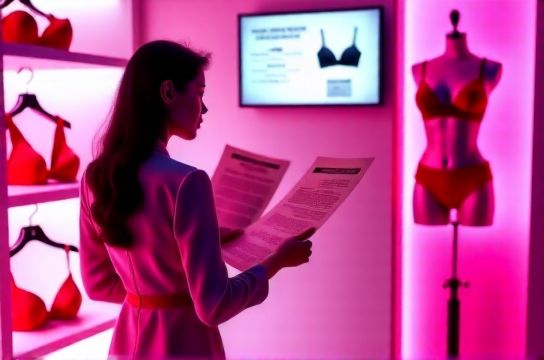
I’ve been tracking regulatory shifts across Asia for years, and let me tell you—China’s 2024 updates are some of the most comprehensive yet. They cover everything from fabric safety standards to labeling transparency and even e-commerce compliance. The goal? Protect consumers and level the playing field for ethical brands.
Let’s break down what actually changed and why it matters—for shoppers, sellers, and everyone in between.
New Safety & Labeling Rules You Need to Know
The State Administration for Market Regulation (SAMR) rolled out new mandatory standards under GB 18401-2023, which officially took effect in January 2024. One major update? All lingerie sold in China must now pass stricter chemical residue tests—especially for formaldehyde, azo dyes, and pH levels.
Here’s a quick snapshot of the updated safety thresholds:
| Chemical | Old Limit (mg/kg) | 2024 Limit (mg/kg) | Change |
|---|---|---|---|
| Formaldehyde | 75 | 20 | -73% |
| Azo Dyes | 20 | 5 | -75% |
| pH Range | 4.0–8.5 | 4.0–7.5 | Tighter upper limit |
Yeah, that’s a massive drop. Brands using cheaper dyes or non-compliant fabrics? They’re getting flagged fast. In fact, customs data shows a 41% increase in rejected imports during Q1 2024 compared to last year.
What This Means for Global Brands
If you’re selling lingerie in China—whether via Tmall, JD.com, or cross-border platforms like AliExpress—you need certified lab reports proving compliance. No exceptions. And here’s the kicker: labels now require both Chinese language care instructions and full material disclosure, down to the percentage of spandex or lace used.
I spoke with a sourcing agent in Guangzhou who said smaller EU brands are struggling. “They assume CE certification is enough,” he told me. “It’s not. China’s new lingerie regulations demand local testing.”
But it’s not all red tape. Consumers are responding positively. A recent survey by EcoChain Insights found that 68% of Chinese shoppers now check product labels for safety certifications before buying underwear online.
This shift creates a golden opportunity for transparent, eco-conscious brands. If you can prove your supply chain is clean, you’ll win trust—and sales.
Pro Tip: Use Compliance as a Marketing Edge
Smart brands aren’t hiding behind compliance—they’re flaunting it. Take Neiwear, a Shanghai-based startup. They added a ‘Tested Safe’ badge on packaging and saw a 29% boost in conversion rates post-regulation.
Your move? Get your products third-party tested, publish the results, and make safety part of your story. It builds credibility faster than any influencer campaign.
Bottom line: China’s lingerie industry reforms aren’t slowing down. Adapt now, or risk being left out of one of the world’s most lucrative markets.