Premium Lingerie Segment Growth in China 2024
- 时间:
- 浏览:228
- 来源:CN Lingerie Hub
If you're keeping an eye on the global fashion market, here's a hot take: the premium lingerie segment in China isn’t just growing — it’s exploding. And as someone who’s been analyzing consumer trends across Asia for over a decade, I can tell you this isn’t a flash-in-the-pan trend. It’s a full-blown shift in mindset, driven by rising incomes, bolder self-expression, and a digital-savvy female consumer base that knows what she wants.
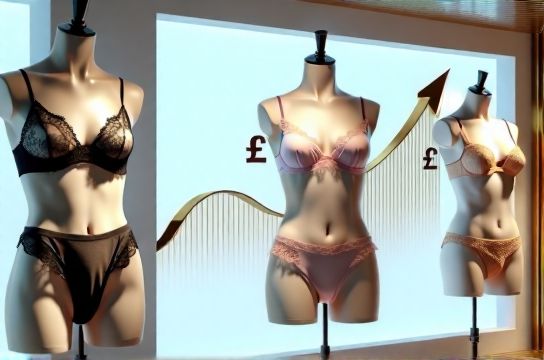
In 2024, China’s premium lingerie market is projected to hit $4.8 billion, up from $3.1 billion in 2021. That’s a compound annual growth rate (CAGR) of nearly 12.5% — far outpacing overall apparel growth. Why? Because today’s Chinese women aren’t buying lingerie just for function. They’re investing in comfort, craftsmanship, and confidence.
Take Shanghai and Shenzhen, for example. These cities have become hotbeds for boutique brands and luxury imports. A recent survey found that 68% of urban women aged 25–40 are willing to spend over ¥500 (~$70) per bra set — compared to just 39% in 2019. That’s a seismic shift.
And let’s talk about e-commerce. Platforms like Tmall Luxury Pavilion and JD.com now host global names like La Perla, Victoria’s Secret, and Agent Provocateur — but local players like NEIWAI (内外) and Ubras are stealing the spotlight with minimalist designs, body positivity messaging, and seamless online experiences.
What’s Driving This Boom?
- Empowerment Over Sexuality: Modern buyers want lingerie that celebrates their body, not one that caters to the male gaze. NEIWAI’s slogan — “Real Women, Real Bodies” — resonates deeply.
- Rising Disposable Income: With more women in high-paying jobs, spending on personal care and intimate apparel has climbed.
- Social Commerce: Livestreaming on Douyin and Xiaohongshu drives impulse buys. One viral video can sell out a collection in hours.
Market Share Breakdown (2023)
| Brand | Origin | Market Share (%) | Price Range (RMB) |
|---|---|---|---|
| NEIWAI | China | 22% | 300–800 |
| Ubras | China | 19% | 200–600 |
| Victoria’s Secret | USA | 14% | 400–1,200 |
| La Perla | Italy | 6% | 1,500–5,000 |
| Other Local Brands | China | 24% | 150–500 |
| Others (Global) | Multinational | 15% | 500–3,000 |
As you can see, domestic brands dominate — capturing over 65% of the premium space. Their edge? Deep cultural insight and agile supply chains.
Looking ahead, sustainability and size inclusivity will be key. NEIWAI already uses organic cotton and recycled lace, while Ubras launched its +XXL line in 2023, responding to demand for extended sizing.
The bottom line? The premium lingerie segment in China is no longer a niche — it’s a powerhouse. Whether you're a brand looking to enter or a consumer wanting the best, understanding this shift is essential. And if you're still shopping based on old stereotypes? Time to catch up.