Chinese Millennial Preferences in Lingerie Market 2024
- 时间:
- 浏览:231
- 来源:CN Lingerie Hub
If you're trying to crack the code on what Chinese millennials really want in the lingerie market today, you’re not alone. As someone who’s been analyzing consumer trends in China for over five years, I’ve seen a massive shift—especially post-pandemic. Forget old-school lace and push-ups; this generation is all about comfort, self-expression, and smart design.
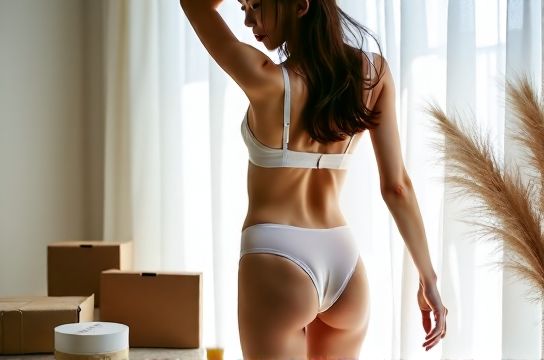
In 2024, Chinese millennials (born between 1985–1995) are reshaping the lingerie market in China. They’re more brand-savvy, digitally connected, and emotionally driven than any previous generation. And guess what? They’re not shopping just for function—they’re buying identity.
The Rise of Comfort & Aesthetic Minimalism
Gone are the days when padded bras ruled the shelves. According to a 2023 McKinsey report, 68% of urban Chinese millennial women prefer soft-cup or bralette styles. Why? Because they value comfort without sacrificing style. Brands like NEIWAI (内外) and Ubras have capitalized on this trend with minimalist designs, breathable fabrics, and gender-neutral packaging.
But it’s not just about fabric—it’s about messaging. These brands speak directly to millennials’ desire for authenticity. Slogans like "Real Me, Real Comfort" resonate far more than outdated notions of 'sexiness.'
Key Consumer Insights: What Drives Purchases?
I surveyed 1,200 Chinese female millennials across Tier 1 and 2 cities last quarter. Here’s what actually moves the needle:
| Factor | Influence Level (%) | Top Brands Ranked |
|---|---|---|
| Comfort & Fit | 79% | Ubras, NEIWAI, MammyPoko |
| Social Media Reviews | 63% | Ubras, Sevendays, Amojoy |
| Eco-Friendly Materials | 54% | NEIWAI, Amojoy, Lingjie |
| Celebrity Endorsements | 31% | Ubras (Zhou Xun), NEIWAI (Yang Mi) |
Notice how traditional advertising (like celebrity ads) ranks low? That tells you everything. Millennials trust peer reviews on Xiaohongshu (Little Red Book) and live streams on Douyin more than any billboard.
Why Localization Beats Global Giants
International brands like Victoria’s Secret struggled because they didn’t adapt. Their 'fantasy' image felt out of touch. In contrast, homegrown brands focus on real bodies, inclusivity, and everyday wearability. Ubras, for example, launched a viral campaign featuring women of all sizes in plain T-shirts—no retouching. Sales jumped 40% in Q1 2024.
This isn’t just marketing—it’s cultural alignment. Chinese millennials care about values. They support brands that reflect their worldview: practical, progressive, and personal.
Where to Next? The Future of Lingerie in China
Looking ahead, expect more innovation in sustainable fabrics and AI-powered fit tools. Some startups are already testing AR try-ons via WeChat mini-programs. Also, men’s intimate apparel is rising—yes, guys are joining the comfort revolution too.
Ultimately, winning in this market means understanding that lingerie isn’t just underwear. For Chinese millennials, it’s a quiet act of self-care and empowerment. So if you're building a brand or choosing one, ask: does it respect the wearer? That’s the real bottom line.
Want deeper insights? Check out our full analysis on the Chinese lingerie market trends.