Lingerie Industry Trends Shaping China's Fashion Scene
- 时间:
- 浏览:202
- 来源:CN Lingerie Hub
If you're keeping an eye on global fashion, you’ve probably noticed how fast the lingerie industry in China is evolving. It’s no longer just about function—it’s about self-expression, comfort, and empowerment. As a lifestyle blogger who’s been tracking intimate apparel trends for over five years, I’ve seen firsthand how Chinese consumers are reshaping the market.
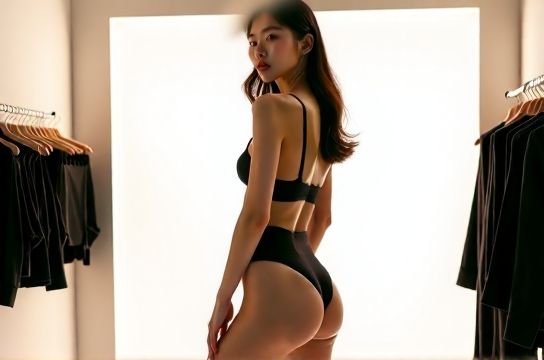
Forget the old-school idea that lingerie is only for special occasions. Today, more women in China are buying bras and underwear as everyday wear—fueled by rising disposable incomes and shifting social attitudes. In fact, according to Statista, China’s lingerie market hit $28.7 billion in 2023, with a projected CAGR of 6.4% through 2028. That’s massive growth, and it’s being driven by homegrown brands and digital innovation.
The Rise of Comfort-First Design
One major shift? The demand for comfort. Gone are the days when women squeezed into tight, underwire bras. Now, seamless bras and bralettes dominate sales. A 2023 survey by iiMedia Research found that 68% of Chinese women aged 18–35 prefer wireless styles for daily use.
This isn’t just a trend—it’s a lifestyle change. With more people working from home or embracing casual dressing, soft, breathable fabrics like modal and TENCEL™ are in high demand. Brands like NEIWAI (Undercover) and Ubras have capitalized on this, pushing minimalistic designs that blend fashion with function.
How E-Commerce Is Changing the Game
You can’t talk about lingerie in China without mentioning e-commerce. Platforms like Taobao, JD.com, and Xiaohongshu (Little Red Book) have become launchpads for indie labels and marketing experiments. Live-streaming sales, especially during Singles’ Day, have exploded. In 2023, Ubras raked in over ¥1.5 billion ($210 million) in just 24 hours during the Alibaba shopping festival.
What’s their secret? Relatable messaging. Instead of using airbrushed models, these brands feature real women of different body types, ages, and skin tones. It builds trust—and sells products.
Key Players & Market Share (2023)
| Brand | Market Share (%) | Key Product Focus | Price Range (RMB) |
|---|---|---|---|
| Ubras | 18.5 | Bralettes, Seamless Sets | 99–299 |
| NEIWAI | 15.2 | Sustainable Cotton, Neutral Tones | 150–480 |
| Aimer | 12.0 | Traditional Bras, Maternity | 180–600 |
| Triumph | 8.7 | Luxury Fit, International | 300–1,200 |
| Other Local Brands | 45.6 | Mixed (Customization, Niche) | 50–400 |
As you can see, local brands own over 90% of the market. Why? They understand cultural nuances better than global giants. For example, many Chinese women prioritize modesty and subtle elegance—something international brands often miss.
The Future: Personalization & Sustainability
Looking ahead, two trends will define the next wave: customization and eco-consciousness. More brands are offering AI-powered size guides and made-to-order options. At the same time, recycled fabrics and plastic-free packaging are becoming selling points, especially among Gen Z.
If you’re exploring this space—whether as a consumer or entrepreneur—my advice is simple: focus on authenticity. The most successful brands aren’t just selling lingerie in China; they’re selling confidence, comfort, and a new kind of beauty standard.