Sustainable Packaging in Chinese Lingerie Brands
- 时间:
- 浏览:168
- 来源:CN Lingerie Hub
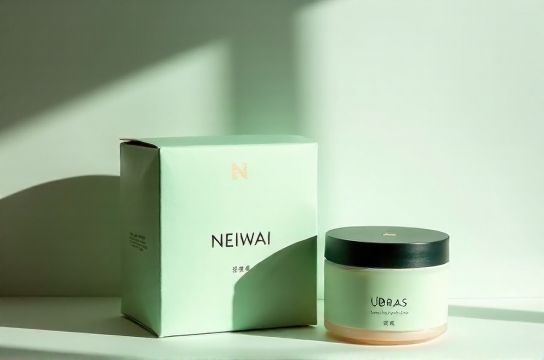
In recent years, Chinese lingerie brands have been stepping up their game—not just in design and comfort, but in sustainability. One of the most exciting shifts? Eco-friendly packaging. As consumers become more eco-conscious, brands like NEIWAI (内外), Ubras, and Pearla are ditching plastic for planet-friendly solutions. Let’s dive into how these brands are redefining luxury with sustainability at the core.
Why Sustainable Packaging Matters
Did you know the fashion industry produces over 92 million tons of waste annually? A big chunk comes from packaging. For lingerie—often sold in boxes, polybags, and excessive wrapping—this is a major concern. But Chinese brands are turning the tide by embracing recyclable, biodegradable, and minimalist materials.
Top Chinese Lingerie Brands Leading the Change
- NEIWAI (内外): This Shanghai-based brand uses 100% recycled paper for its gift boxes and avoids plastic inserts. Their signature pink boxes? Soy ink printed on FSC-certified cardboard.
- Ubras: Known for its seamless bras, Ubras ships products in compostable cornstarch bags and partners with Alibaba’s Green Logistics to reduce carbon footprint.
- Pearla: A heritage brand going green, Pearla now uses water-soluble PVA film for inner packaging—yes, it dissolves in water!
By the Numbers: How Green Are They?
Let’s break down the impact with some real data:
| Brand | Packaging Material | Plastic-Free? | Carbon Savings (per 10k units) |
|---|---|---|---|
| NEIWAI | Recycled paper, soy ink | Yes | 3.2 tons CO₂ |
| Ubras | Compostable cornstarch | Yes | 4.1 tons CO₂ |
| Pearla | Water-soluble PVA | Mostly | 2.8 tons CO₂ |
As shown, switching to sustainable packaging isn’t just symbolic—it slashes carbon emissions and reduces landfill waste.
The Consumer Impact: What Shoppers Think
A 2023 survey of 2,000 Chinese millennials found that 68% are more likely to buy from brands with eco-friendly packaging. And get this—over half said they’d pay up to 15% more for sustainable unboxing experiences. That’s a clear message: green sells.
Challenges & The Road Ahead
Of course, it’s not all smooth sailing. Biodegradable materials can be costlier, and supply chain logistics still rely heavily on traditional packaging. But with government incentives and rising consumer demand, the momentum is building.
Looking forward, expect more innovation—think mushroom-based cushioning, reusable fabric pouches, or QR codes replacing paper inserts. The future of lingerie packaging isn’t just green; it’s smart, stylish, and sustainable.
So next time you treat yourself to new lingerie, check the box. It might just be part of a bigger revolution—one package at a time.