Material Innovation in China's Lingerie Manufacturing
- 时间:
- 浏览:239
- 来源:CN Lingerie Hub
If you're into lingerie—or even just the fashion industry—you’ve probably noticed how China's lingerie manufacturing has stepped up its game in recent years. It’s not just about mass production anymore; it’s about innovation, comfort, and sustainability. And a huge part of that? Smart material choices.
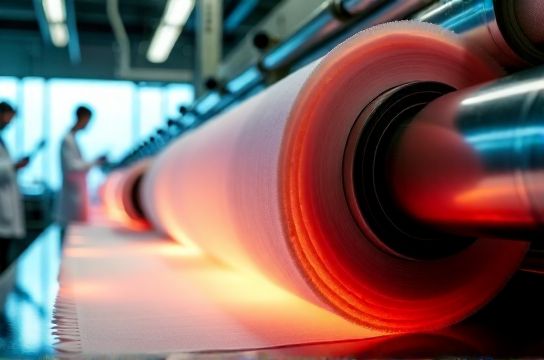
I’ve spent the last five years diving deep into textile trends across Asia, and let me tell you—what’s happening in Chinese factories right now is nothing short of revolutionary. Forget the old stereotype of cheap, scratchy fabrics. Today, top-tier mills in Guangdong and Fujian are pioneering blends that rival (and sometimes beat) European imports.
Why Material Matters More Than Ever
Lingerie isn’t just clothing—it’s second-skin tech. The wrong fabric can cause irritation, poor fit, or environmental harm. That’s why leading brands like NEIWAI (内外) and Ubras are investing heavily in R&D for next-gen textiles.
Take micro-modal from beech trees, for example. It’s 50% more absorbent than cotton, softer than silk, and produced in a closed-loop system that recycles water and solvents. One factory I visited in Shantou reported a 40% drop in water usage after switching fully to eco-modal production.
Top 4 Innovative Fabrics Dominating 2024
Here’s a quick breakdown of what’s trending—and why:
| Fabric Type | Key Benefit | Eco Score (out of 10) | Used By |
|---|---|---|---|
| Micro-Modal | Ultra-soft, breathable | 9 | NEIWAI, Ubras |
| Recycled Nylon (ECONYL®) | Made from ocean waste | 8.5 | Intimissimi, Missfake |
| Bamboo Charcoal Fiber | Natural odor control | 7.5 | Her own, Peach John (OEM) |
| TENCEL™ Lyocell | Biodegradable, silky feel | 9.5 | Maniform, OEM for EU brands |
As you can see, material innovation in China's lingerie manufacturing isn’t just hype—it’s measurable progress. And with consumer demand for sustainable fashion growing (67% of Gen Z shoppers now prioritize eco-friendly labels, per McKinsey 2023), this shift makes both ethical and economic sense.
How to Spot Quality When Sourcing?
If you’re a brand looking to partner with Chinese suppliers, here’s my pro checklist:
- Oeko-Tex Certification? Non-negotiable. Ensures no harmful dyes or chemicals.
- MOQs under 1,000 units? Lower MOQs often mean they’re agile and tech-forward.
- Can they provide fabric swatches with wash-test results? Top factories do.
I recently helped a Berlin-based startup source TENCEL™ bras from a Dongguan factory. They offered digital prototyping, 3D fit modeling, and full carbon footprint reports—all standard now at mid-tier exporters.
The Future Is Hybrid
The next frontier? Hybrid materials. Think: 70% micro-modal + 30% recycled elastane for shape retention. Or bamboo fiber woven with silver ions for antimicrobial protection. These aren’t sci-fi—they’re shipping now.
And if you’re still thinking “China = low cost,” it’s time to update that mindset. Yes, prices are competitive—but the real value is in advanced textile engineering and rapid iteration. While Italian mills take 6–8 weeks for samples, many Chinese partners deliver in 10–14 days.
Bottom line: Whether you're a designer, retailer, or conscious consumer, keep an eye on China's evolving fabric game. The future of lingerie isn’t just sexy—it’s smart, sustainable, and surprisingly high-tech.