Future Outlook for China's Lingerie Industry 2025
- 时间:
- 浏览:183
- 来源:CN Lingerie Hub
If you're keeping an eye on fashion trends or thinking about breaking into the apparel market, here’s a hot take: China's lingerie industry isn’t just growing — it’s transforming. By 2025, this sector is expected to hit a staggering $28.5 billion, up from $19.3 billion in 2020, according to Statista and Euromonitor data. But it’s not just about numbers. The real story? Women are redefining comfort, style, and self-expression — and brands that get it are winning big.
The Shift: From Sexy to Self-Care
Gone are the days when lingerie meant tight lace and painful underwires. Today’s Chinese consumers, especially Gen Z and millennial women, prioritize comfort, fit, and inclusivity. A 2023 McKinsey report found that 68% of urban female shoppers say comfort is their top purchase driver — higher than price or brand name.
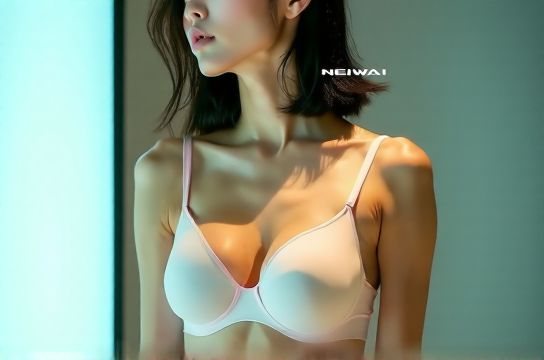
This mindset shift has fueled demand for seamless bras, bralettes, and cotton-rich sets. Brands like NEIWAI (Inside) and Ubras have skyrocketed by focusing on minimalist design and body positivity. Ubras, for example, reported a 140% YoY sales jump in 2022 during Singles’ Day — all without traditional push-up styles.
Market Breakdown: Who’s Leading the Race?
To understand who’s dominating, let’s look at key players shaping China's lingerie industry in 2025:
| Brand | Origin | Key Product | 2024 Market Share | Price Range (RMB) |
|---|---|---|---|---|
| Ubras | China | Bralette & Seamless Sets | 18% | 99–299 |
| NEIWAI | China | Cotton-Linen Bras & Loungewear | 14% | 150–450 |
| Aimer | China | Traditional Wired Bras | 12% | 200–600 |
| Victoria’s Secret | USA | Lingerie & Fragrance | 6% | 300–1,200 |
| Triumph | Germany | Support Bras & Shapewear | 5% | 250–700 |
Notice something? Domestic brands now control over 44% of the market. International names like Victoria’s Secret are struggling to adapt to local preferences — their 2023 revenue dropped 21% year-on-year in China.
Why Local Wins: Culture, Fit, and Digital Savvy
Chinese brands aren’t just cheaper — they’re smarter. They use social listening tools to track Weibo and Xiaohongshu (Little Red Book) trends in real time. When "no-wire freedom" went viral in early 2024, Ubras launched a campaign with the slogan “Let your chest breathe” — and saw a 35% spike in conversions.
They also dominate e-commerce. Over 80% of lingerie sales happen online, mainly via Tmall and Douyin (TikTok). Livestream selling is huge: NEIWAI once sold 50,000 units in 2 hours during a Douyin session hosted by a mid-tier KOL.
What’s Next? Sustainability and Inclusivity
By 2025, expect more brands to adopt eco-friendly materials. NEIWAI already uses TENCEL™ and recycled lace in 60% of its line. Meanwhile, size inclusivity is rising — Ubras now offers cup sizes up to G, targeting underserved fuller-busted women.
The message is clear: success in lingerie in China isn’t about pushing Western ideals. It’s about listening, adapting, and empowering women on their own terms.