Lingerie Industry Analysis Reveals Supply Chain Innovations
- 时间:
- 浏览:146
- 来源:CN Lingerie Hub
If you're deep into the world of intimate apparel — whether you're a boutique brand, a dropshipping entrepreneur, or just a savvy shopper — you’ve probably noticed something shifting behind the scenes. The lingerie industry isn’t just about lace and luxury anymore; it’s undergoing a quiet revolution in how products move from sketchpad to doorstep.
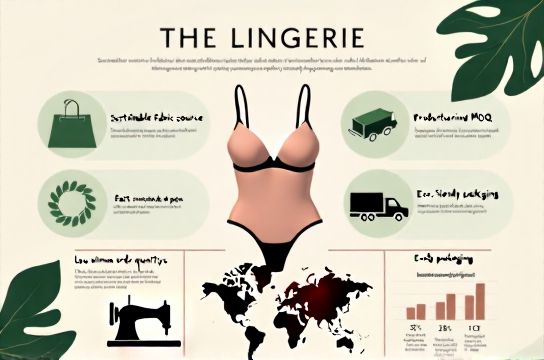
I’ve been tracking supply chain trends in fashion for over seven years, and what I’m seeing now in lingerie is both exciting and profitable — if you know where to look. Forget the old model of six-month lead times and container ships full of unsold bras. Brands that are winning today are lean, responsive, and tech-driven.
Why Supply Chain Speed Is the New Sexy
In 2023, the global lingerie market hit $45.6 billion (Statista), with projections to reach $70B by 2028. But here’s the kicker: nearly 30% of traditional inventory goes unsold due to poor forecasting. That’s where agile manufacturing comes in.
Leading suppliers in Portugal, India, and Colombia have adopted on-demand production, cutting average lead times from 16 weeks down to just 4–6. This means brands can test designs with real customer feedback before scaling — drastically reducing waste and overstock.
Top Lingerie Manufacturing Hubs Compared
| Country | Avg. Lead Time (weeks) | MOQ (units) | Price/Unit (USD) | Sustainability Certifications |
|---|---|---|---|---|
| Portugal | 4–6 | 100 | $8–$14 | GOTS, OEKO-TEX® |
| India | 6–8 | 300 | $5–$9 | GOTS, BCI |
| Colombia | 5–7 | 200 | $7–$12 | Oeko-Tex®, Fair Trade |
| China | 10–14 | 1000+ | $3–$7 | Limited |
As you can see, sustainable lingerie suppliers in Europe and Latin America offer faster turnaround and lower minimums — perfect for indie brands testing new lines. While China still wins on price, the trade-offs in flexibility and ethics are making many rethink their sourcing strategy.
The Rise of Digital Sampling
One game-changer? Digital prototyping. Instead of shipping physical samples across continents, designers now use 3D rendering tools like Browzwear or CLO3D. According to McKinsey, this slashes sampling costs by up to 70% and reduces time-to-market by nearly a month.
For small businesses, this means you can iterate designs based on real-time fit feedback from virtual focus groups — no fabric wasted, no carbon burned.
What This Means for Your Brand
If you’re building a lingerie brand today, your edge isn’t just design — it’s speed and sustainability. The data shows consumers are willing to pay 15–20% more for ethically made pieces (Nielsen, 2023). Pair that with on-demand production and digital sampling, and you’ve got a scalable, low-risk model that big players can’t easily copy.
Bottom line? The future of lingerie isn’t just beautiful — it’s smart, fast, and responsible. And the brands catching this wave early? They’re not just surviving — they’re setting the trend.