China Lingerie Market Sees Surge in Premium Product Demand
- 时间:
- 浏览:225
- 来源:CN Lingerie Hub
If you're keeping an eye on the China lingerie market, one thing’s crystal clear: consumers aren’t just buying underwear—they’re investing in comfort, confidence, and quality. Over the past three years, demand for premium lingerie has skyrocketed, and if you're a brand or shopper trying to navigate this shift, here's what you need to know.
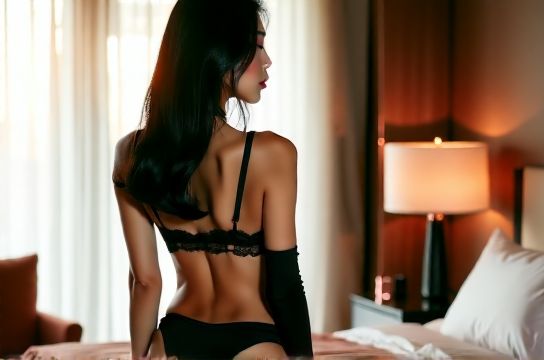
Why Premium Lingerie Is Booming in China
Gone are the days when function alone ruled purchases. Today’s Chinese consumers—especially women aged 25–40—are willing to pay more for well-designed, body-positive, and sustainable lingerie. According to a 2023 McKinsey report, the premium segment (products priced over ¥300) grew by 18% year-on-year, now accounting for 37% of total market revenue.
What’s driving this? Three big factors:
- Rising disposable income – Urban middle-class spending power has increased steadily.
- Social media influence – KOLs and body positivity campaigns reshape beauty standards.
- Quality expectations – No more itchy lace or broken hooks. People want durability and comfort.
Market Share Breakdown: Who’s Leading the Race?
Let’s break down the current landscape with real data from Euromonitor and Alibaba’s 2023 e-commerce insights:
| Brand | Market Share (%) | Avg. Price (¥) | Primary Sales Channel |
|---|---|---|---|
| NEIWAI (内外) | 16% | 380 | Online + Pop-ups |
| Ubras | 14% | 320 | E-commerce |
| Victoria's Secret | 9% | 450 | Physical Stores |
| Maniform | 7% | 290 | Offline Retail |
Notice something? Homegrown brands like NEIWAI and Ubras dominate not because they’re cheaper—but because they understand local preferences: minimalist design, breathable fabrics, and inclusive sizing.
The Role of E-Commerce & Social Commerce
Over 70% of premium lingerie sales happen online, with Tmall and Xiaohongshu leading the charge. What sets successful brands apart is storytelling. NEIWAI’s 'No Body is Nobody' campaign went viral, boosting conversion rates by 31% in Q2 2023.
TikTok and WeChat mini-programs are also critical. Ubras uses live-streaming to demo fabric stretch and fit, reducing return rates by nearly 20%. That’s smart selling.
What’s Next? Sustainability & Size Inclusivity
Consumers now check labels for OEKO-TEX certification and recycled materials. Brands ignoring eco-credentials risk being left behind. Also, extended sizing (up to 90K/3XL) is no longer niche—it’s expected.
In short, the China lingerie market isn't just growing—it's maturing. Whether you're launching a brand or choosing your next bra, focus on value, not just price.