Gender Expression and Lingerie Trends in China
- 时间:
- 浏览:148
- 来源:CN Lingerie Hub
In recent years, China's lingerie market has undergone a quiet revolution—one that goes beyond lace, silk, and sizing. It’s about identity, freedom, and how gender expression is reshaping intimate apparel. No longer just for weddings or honeymoon trousseaus, lingerie in China is becoming a canvas for self-expression, especially among Gen Z and urban millennials.
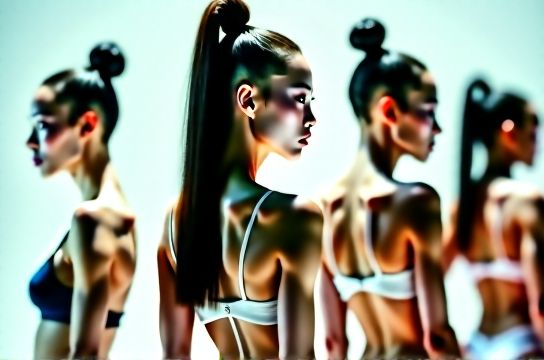
According to a 2023 report by McKinsey, China’s intimate apparel market hit $15.8 billion, with a compound annual growth rate of 9.3% over the past five years. But what’s driving this surge? It’s not just rising disposable incomes—it’s changing attitudes toward body image and gender norms. More consumers are rejecting one-size-fits-all femininity, embracing styles that blur traditional lines between masculine and feminine aesthetics.
Brands like NEIWAI (meaning 'inner & outer') have led the charge by promoting slogans like 'Take Off Your Armor' and featuring diverse body types in campaigns. In 2022, NEIWAI reported a 40% year-on-year increase in sales, with their unlined cotton bras and gender-neutral loungewear gaining cult status. Similarly, Miss Fox and Ubras have launched collections using soft silhouettes, muted tones, and inclusive marketing—appealing to those who see lingerie as comfort, not performance.
But it’s not just women redefining the game. A growing number of Chinese men are exploring lingerie trends as part of broader self-care rituals. While still niche, male-oriented intimate wear brands like SENSUAL TEA are experimenting with sheer fabrics, corset-inspired designs, and sensual packaging—challenging long-standing taboos around male vulnerability.
To understand just how fast things are changing, check out the data below:
China’s Lingerie Market Overview (2023)
| Category | Market Size (USD Billion) | YoY Growth | Key Consumer Group |
|---|---|---|---|
| Traditional Bras & Panties | 9.2 | +5.1% | Women 25–40 |
| Comfort/Soft Bras | 4.7 | +14.3% | Gen Z, Urban Professionals |
| Gender-Neutral Loungewear | 1.1 | +22.6% | LGBTQ+, Non-Binary Shoppers |
| Men’s Intimate Apparel | 0.8 | +18.9% | Men 20–35 |
As the table shows, the fastest-growing segments are those tied to inclusivity and personal comfort—not seduction. Social media plays a huge role here. On Xiaohongshu (China’s answer to Instagram), hashtags like #MyLingerieMyRules and #NoMoreUnderwire have millions of views, with users sharing everything from post-surgery recovery bras to DIY gender-affirming wear.
Still, challenges remain. Conservative attitudes persist outside major cities, and regulatory scrutiny on 'inappropriate' advertising can limit creative expression. Yet, the momentum is undeniable. As more Chinese consumers view lingerie as an extension of identity rather than a secret garment, the industry will continue evolving—bolder, softer, and more human than ever.