Regulatory Changes Affecting Chinese Lingerie Trade
- 时间:
- 浏览:148
- 来源:CN Lingerie Hub
If you're keeping an eye on the global lingerie market, one thing’s become crystal clear: China's regulatory changes are reshaping the game. Whether you're a retailer, manufacturer, or e-commerce entrepreneur, understanding these shifts isn’t just smart—it’s essential. From tighter product safety standards to evolving import-export rules, the Chinese lingerie trade is undergoing a transformation that’s as complex as it is impactful.
Let’s break it down with some real talk and hard data.
The New Rules of the Game
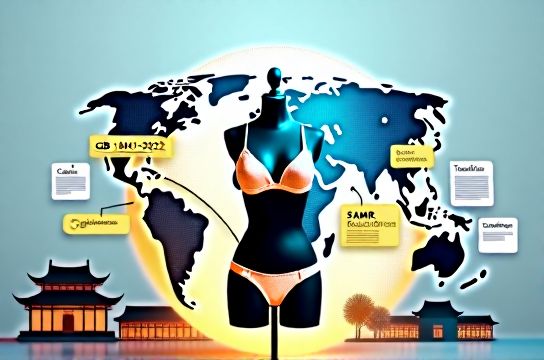
In 2023, China’s State Administration for Market Regulation (SAMR) rolled out stricter guidelines for textile products, especially those in direct contact with skin—like lingerie. These aren’t just suggestions; they’re enforceable laws. The new GB 18401-2023 standard now mandates lower thresholds for formaldehyde, pH levels, and colorfastness. Translation? Your cute lace bralette has to be safer than ever.
Why does this matter? Because non-compliant products face immediate bans, fines, or even blacklisting from major platforms like Tmall and JD.com. And trust us, you don’t want your brand caught in that net.
Data That Speaks Volumes
Check out this snapshot of how regulations have impacted trade flows:
| Year | Chinese Lingerie Exports (USD Billion) | Export Rejections Due to Compliance Issues (%) | Domestic Market Growth (YoY) |
|---|---|---|---|
| 2021 | 14.2 | 6.8% | +9.1% |
| 2022 | 15.1 | 7.3% | +10.4% |
| 2023 | 14.8 | 11.2% | +13.7% |
| 2024 (est.) | 15.5 | 9.5%* | +15.0%* |
*Estimated based on Q1–Q2 performance and policy adaptation trends.
Notice something? While total exports dipped slightly in 2023, domestic growth skyrocketed. Why? Because brands are pivoting inward, adapting to stricter Chinese lingerie regulations by targeting local consumers who now demand higher quality and transparency.
The E-Commerce Effect
Online sales now make up over 68% of China’s lingerie market (Statista, 2024). Platforms like Xiaohongshu (Little Red Book) and Douyin (China’s TikTok) aren’t just shopping apps—they’re trend incubators. But here’s the catch: these platforms actively police product claims. Mislabeling a fabric blend? That’s a strike. Failing to disclose chemical treatments? That’s an instant takedown.
And get this—consumer reviews now carry legal weight. A surge in negative feedback about skin irritation can trigger an official SAMR investigation. So yeah, your customers are basically co-regulators now.
What This Means for You
If you're sourcing from China, compliance isn’t optional. It’s your ticket to staying in business. Here’s your quick action plan:
- Update your QC protocols to align with GB 18401-2023 and OEKO-TEX® standards.
- Invest in third-party lab testing—brands like Intertek and SGS are worth every penny.
- Localize your marketing: Chinese consumers love stories about safety, sustainability, and comfort. Tell them yours.
- Monitor policy updates through the China National Textile & Apparel Council.
The bottom line? Regulatory changes are no longer roadblocks—they’re filters. They separate the lazy from the legends. And in a $22 billion market that’s growing faster than your morning espresso kicks in, being a legend is the only way to win.