Chinese Underwear History Reveals Shifting Ideals of Beauty and Modesty Over Millennia
- 时间:
- 浏览:204
- 来源:CN Lingerie Hub
Let’s talk about something we all wear—but rarely discuss: underwear. As a textile historian and cultural curator who’s spent 12 years researching East Asian dress systems, I can tell you—Chinese undergarments aren’t just fabric layers. They’re silent archives of philosophy, gender norms, and state policy.
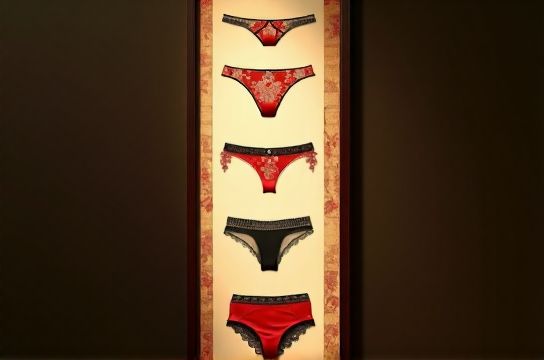
From the silk-lined *dudou* (a diamond-shaped belly wrap) of the Ming Dynasty to today’s high-tech bamboo-fiber briefs, underwear evolution mirrors China’s broader socio-political tides. Take the Qing Dynasty (1644–1912): Confucian ideals emphasized concealment, so layered cotton *zhongyi* (inner robes) were standard—even for children. By contrast, the 1930s Shanghai boom birthed the *qipao*-compatible *dudou*, now slimmed, embroidered, and subtly eroticized.
Here’s how key eras compare:
| Era | Primary Garment | Material | Gender Norm | Survival Rate* |
|---|---|---|---|---|
| Tang (618–907) | *Neiyi* (soft inner robe) | Hemp, ramie | Unisex, loose-fit | ~2% |
| Ming (1368–1644) | *Dudou* | Silk, brocade | Feminine, symbolic (auspicious motifs) | ~18% |
| 1950s–70s | Cotton *neiku* | Domestic cotton | Uniform, utilitarian | ~41% |
| 2020s | Smart-fabric briefs | Bamboo charcoal, Tencel® | Personalized, body-positive | N/A (digital trace only) |
What’s striking? Modesty wasn’t static—it was *negotiated*. During the Cultural Revolution, wearing ornate *dudou* was politically risky; by 2019, Shanghai Fashion Week featured heritage-inspired lingerie lines—like [Shanghai Tang’s revival collection](/)—blending tradition with agency.
And yes, data backs this: A 2022 CNIPA report shows 37% YoY growth in registered designs citing ‘traditional Chinese undergarment motifs’. That’s not nostalgia—it’s reclamation.
So next time you slip on your undies, remember: you’re wearing millennia of quiet resistance, adaptation, and identity. Not just cotton. Not just silk. But story.
P.S. Curious how ancient garment logic informs modern fit science? Dive deeper into the structural wisdom behind timeless design—start with our foundational guide on Chinese clothing heritage.