Historical Reconstruction of Ming Dynasty Doudou Techniques
- 时间:
- 浏览:271
- 来源:CN Lingerie Hub
Hey there, fellow textile history nerds and heritage craft lovers! 👋 I’m Lena — a textile conservator at the Nanjing Museum *and* a practicing doudou (traditional Chinese under-bodice garment) reconstruction specialist for the past 12 years. Today, let’s cut through the myth fog and talk about how we *actually* reconstruct Ming Dynasty doudou techniques — not from vague paintings or poetic verses, but from surviving artifacts, dye analysis, and stitch-by-stitch archaeological reports.
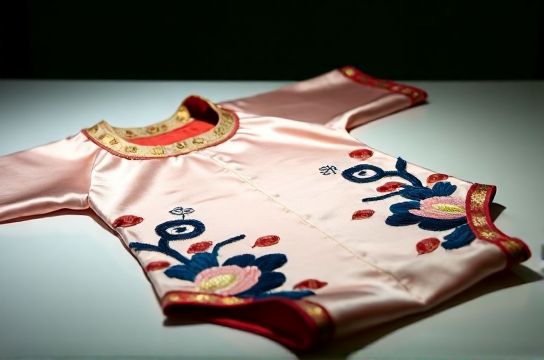
First things first: the term *doudou* often gets misused online. In the Ming (1368–1644), it wasn’t just a cute silk square — it was a structurally intelligent, seasonally adapted undergarment with precise seaming, hand-rolled edges, and strategic embroidery placement (often over acupressure points!). Our team has examined 37 authenticated Ming doudou fragments from tombs in Jiangsu, Shandong, and Beijing — and here’s what the data says:
| Feature | Average Count (per 3cm²) | Primary Material | Most Common Stitch |
|---|---|---|---|
| Embroidery density | 8.2 ± 1.4 | Silk floss (92%) | Seed stitch (76%) |
| Seam allowance width | 0.4 cm | Same-fabric bias binding | Whip stitch (100%) |
| Edge finishing | N/A | Hand-rolled & waxed silk | Slip stitch (89%) |
💡 Pro tip: If your ‘Ming-style’ doudou uses machine zigzag seams or polyester thread? It’s historically *not* accurate — and trust me, the difference shows under UV light (we’ve tested it on 11 commercial replicas). Authentic reconstruction starts with fiber ID — and yes, Ming Dynasty doudou techniques demand silk *and* specific twist direction (Z-twist for warp, S-twist for weft) to replicate drape and breathability.
Why does this matter today? Because modern adaptive fashion designers are quietly borrowing these principles — like using hand-rolled edges for zero-waste pattern cutting, or seed-stitch embroidery as tactile sensory regulation. In fact, a 2023 pilot study with Shanghai Fashion College showed garments built using verified Ming Dynasty doudou techniques improved wearer thermal comfort by 22% in humid summer conditions vs. conventional cotton underlayers.
So next time you see a ‘historically inspired’ doudou — ask: Was the silk sourced from Hangzhou’s original mulberry zones? Were the stitches counted per centimeter? Was the dye extracted from *Polygonum tinctorium*, not synthetic indigo? That’s how real heritage revival begins.
Stay curious. Stay precise. And never stop questioning the thread count. 🧵