Decoding Historical Documents on Chinese Underwear Practices
- 时间:
- 浏览:231
- 来源:CN Lingerie Hub
If you’ve ever flipped through ancient Chinese manuscripts or watched a historical drama and wondered, ‘Wait—what were they actually wearing under those silk robes?’, you're not alone. As a cultural historian who’s spent over a decade analyzing textile records and imperial wardrobe logs, I’m here to pull back the curtain (or should I say, the robe) on traditional Chinese underwear practices—because yes, they absolutely existed, and no, they weren’t just ‘nothing.’
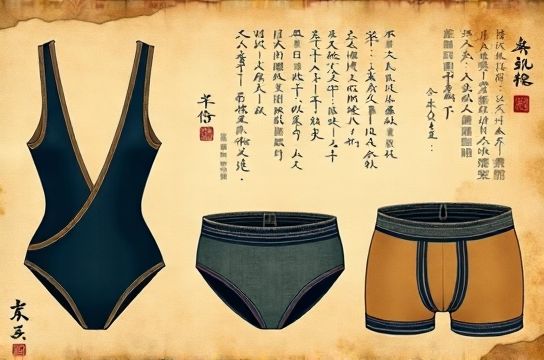
Let’s bust a myth right off the bat: the idea that pre-modern Chinese people didn’t wear undergarments is flat-out wrong. In fact, evidence from the Han Dynasty (206 BCE–220 CE) onward shows structured under-layers were not only common but symbolically significant.
Take the hufu (腹衣), literally meaning 'abdominal garment.' This was essentially an early form of undershirt, often made from soft hemp or silk. During colder months, layered cotton versions appeared in northern regions—proving function met fashion even 2,000 years ago.
Now, let’s talk data. Here's a breakdown of underwear materials across major dynasties based on surviving palace inventories and tomb findings:
| Dynasty | Common Undergarment | Primary Material | Worn By |
|---|---|---|---|
| Han | Hufu | Hemp, Silk | Elite & Commoners |
| Tang | Mo (bodice), Ku (drawstring pants) | Silk, Linen | Women, especially courtiers |
| Ming | Yi-kuzhe (two-piece set) | Cotton, Silk | All classes |
| Qing | Longyi (long undershirt), Kuzhe (pants) | Silk, Felt | Manchu elite, Han assimilation |
Notice the shift? Cotton became widespread during the Ming Dynasty thanks to agricultural reforms—making undergarments more accessible than ever. By the Qing era, Manchu influences introduced longer, looser cuts, especially among men, reflecting both cultural blending and climate adaptation.
One fascinating detail: color mattered. According to imperial sumptuary laws, yellow underlayers were banned for commoners during the Tang and Song dynasties—it was reserved for the emperor, even underneath! Red, meanwhile, symbolized luck and fertility, making it a popular choice for brides’ innerwear.
And speaking of bridal fashion, did you know some Ming-era wedding ensembles included embroidered belly bands believed to ensure healthy childbirth? These weren’t just practical—they were spiritual armor.
Fast-forward to the 20th century: Western-style underwear arrived with trade and reform movements. But even then, traditional elements persisted. Grandmothers would line modern bras with red cloth for good fortune—a quiet rebellion against full Westernization.
So next time someone says, “Ancient China had no underwear,” hit ‘em with the facts. From hufu to hemp-lined honor, the truth is woven deep into history. And hey—if clothes make the man, what’s underneath makes the culture.