Silk and Symbolism in Imperial Chinese Underwear Designs
- 时间:
- 浏览:175
- 来源:CN Lingerie Hub
If you’re diving into the world of traditional Chinese fashion, you’ve probably noticed how modern designers keep drawing inspiration from ancient styles—especially when it comes to imperial Chinese underwear. But this isn’t just about aesthetics. These garments were loaded with meaning, crafted with precision, and worn as symbols of status, virtue, and even political alignment.
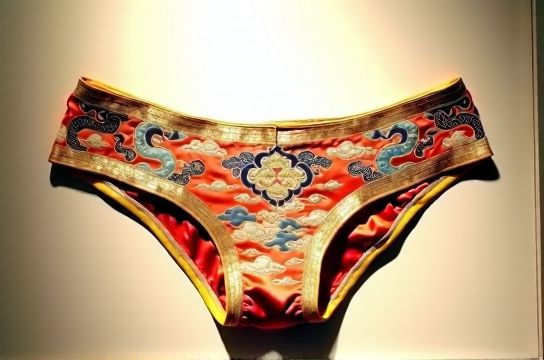
Yes, underwear. In dynasties like the Ming and Qing, what people wore beneath their robes was far from private—it was a quiet declaration of identity. Made almost exclusively from silk, these undergarments combined luxury with symbolism in ways that still influence fashion today.
The Hidden Language of Silk
Silk wasn’t just fabric—it was currency, diplomacy, and art. By the Tang Dynasty, China was producing over 10 million bolts of silk annually, much of it reserved for elite clothing. Underwear for royalty and nobility used only the finest mulberry silk, known for its softness, breathability, and sheen.
But beyond comfort, the choice of silk signaled purity and refinement. Confucian ideals linked smooth fabric to moral clarity. Wearing coarse materials next to the skin? That was for penance or peasants.
Patterns With Purpose
Every embroidery motif had meaning. Peonies stood for wealth and honor. Bats (yes, bats) symbolized good fortune—‘fu’ in Mandarin sounds like ‘bat’. Dragons? Reserved strictly for the emperor and his inner circle. Even the color mattered: yellow was imperial-only after the Yuan Dynasty; red meant joy and marriage.
Here’s a quick breakdown of common symbols found in authentic pieces:
| Symbol | Meaning | Wearer Class |
|---|---|---|
| Five-clawed Dragon | Imperial power | Emperor only |
| Phoenix | Empress, harmony | Nobility women |
| Lotus flower | Purity, rebirth | Scholar-officials |
| Bats (in sets of five) | Five blessings (longevity, wealth, etc.) | Aristocracy |
This wasn’t decoration—it was coded communication. A noblewoman wearing phoenix-trimmed under-robe during court rituals reinforced her role in cosmic balance. Every stitch upheld tradition.
From Private Wear to Public Influence
Today, brands like Shang Xia and Uma Wang are reviving these elements—not by copying, but reinterpreting. They use silk linings, subtle embroidery near hems, and mandarin-inspired cuts. It’s not costume; it’s cultural continuity.
Collectors and historians note a surge in auction prices for original pieces. A Qing-era embroidered waist wrap sold at Sotheby’s for $42,000 in 2021—proof that interest is more than academic.
If you're exploring authentic designs, focus on craftsmanship: hand-rolled edges, natural dyes, and symbolic symmetry. And remember—true imperial Chinese underwear was never mass-produced. Each piece was made-to-order, often taking weeks.
In a world of fast fashion, these garments remind us that clothing can carry legacy. Whether you're a designer, collector, or culture lover, there's wisdom woven into every thread.